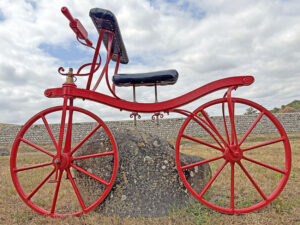
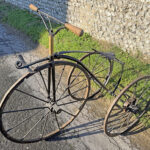
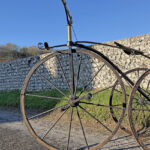
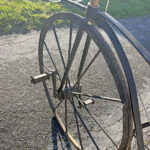
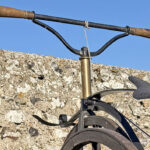
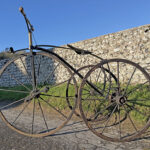
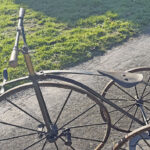
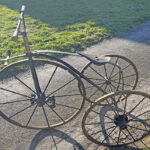
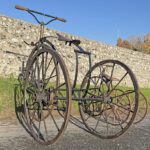
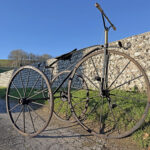
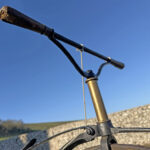
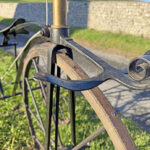
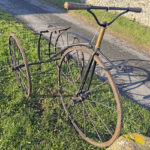
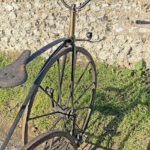
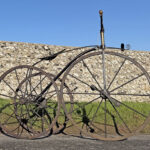
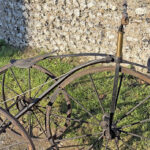
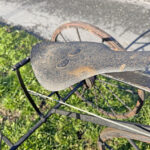
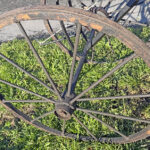
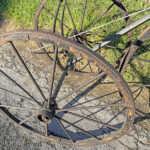
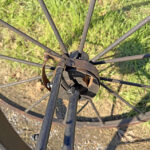
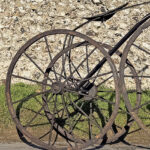
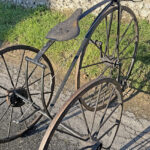
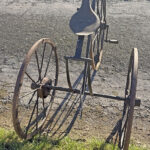
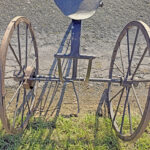
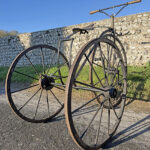
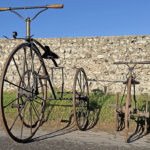
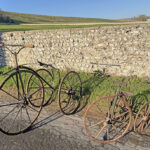
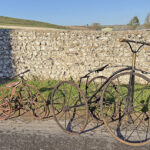
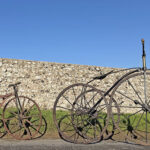
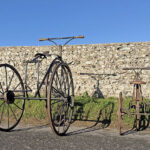
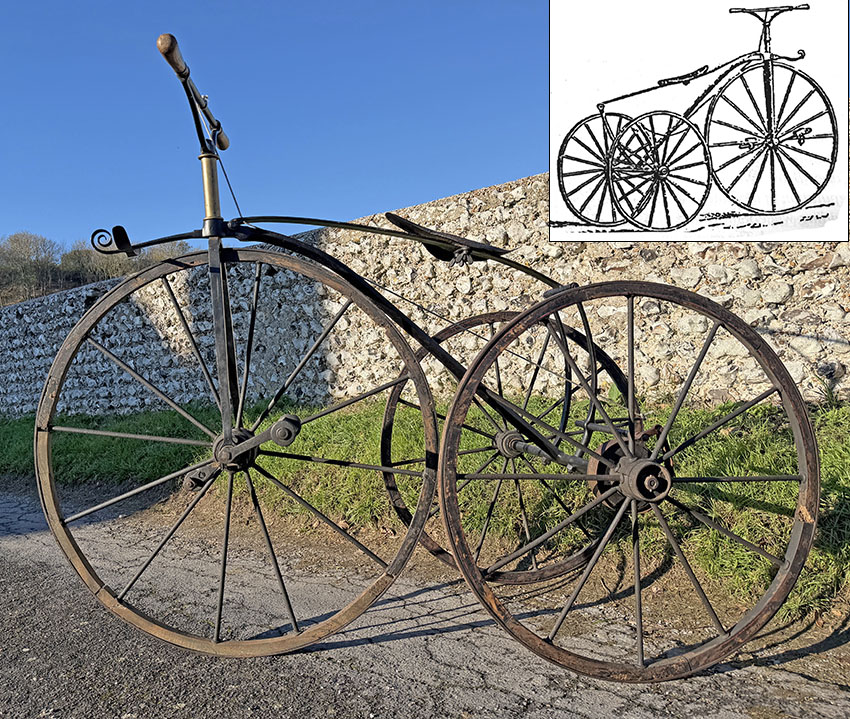
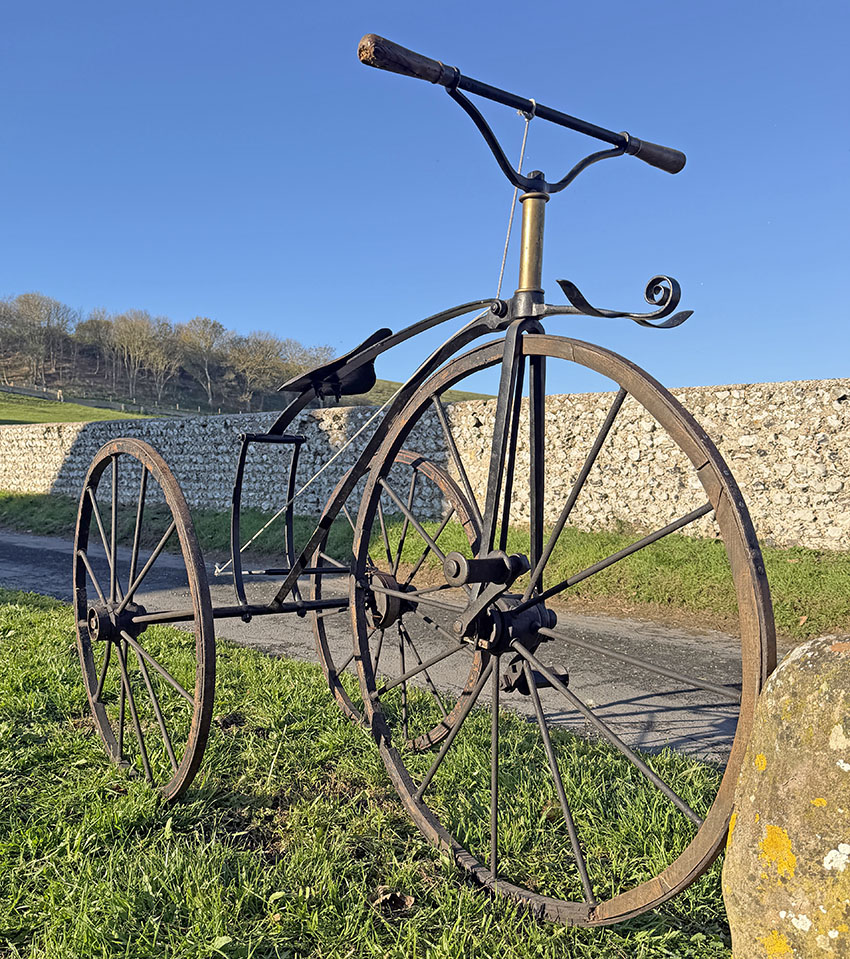
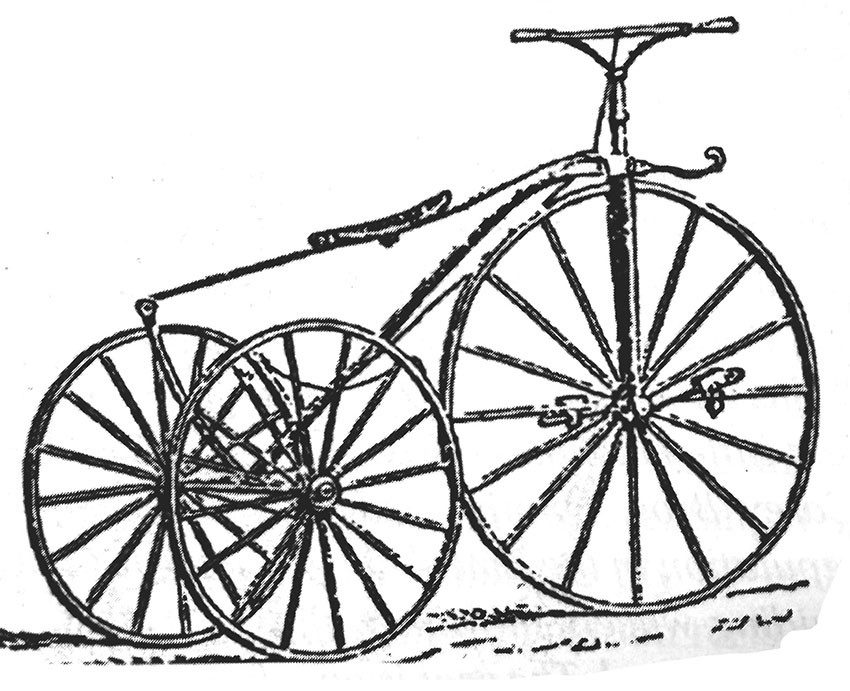
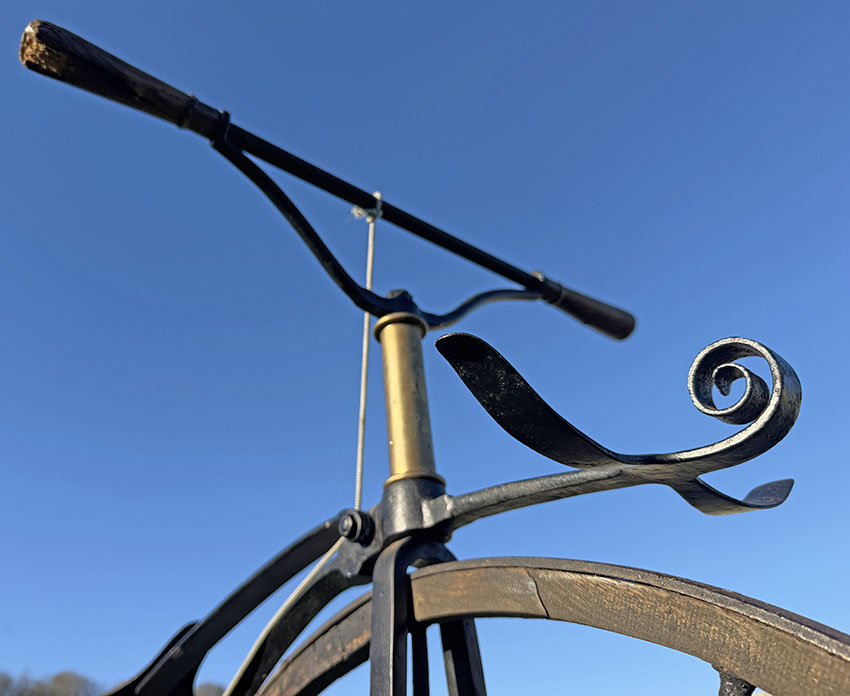
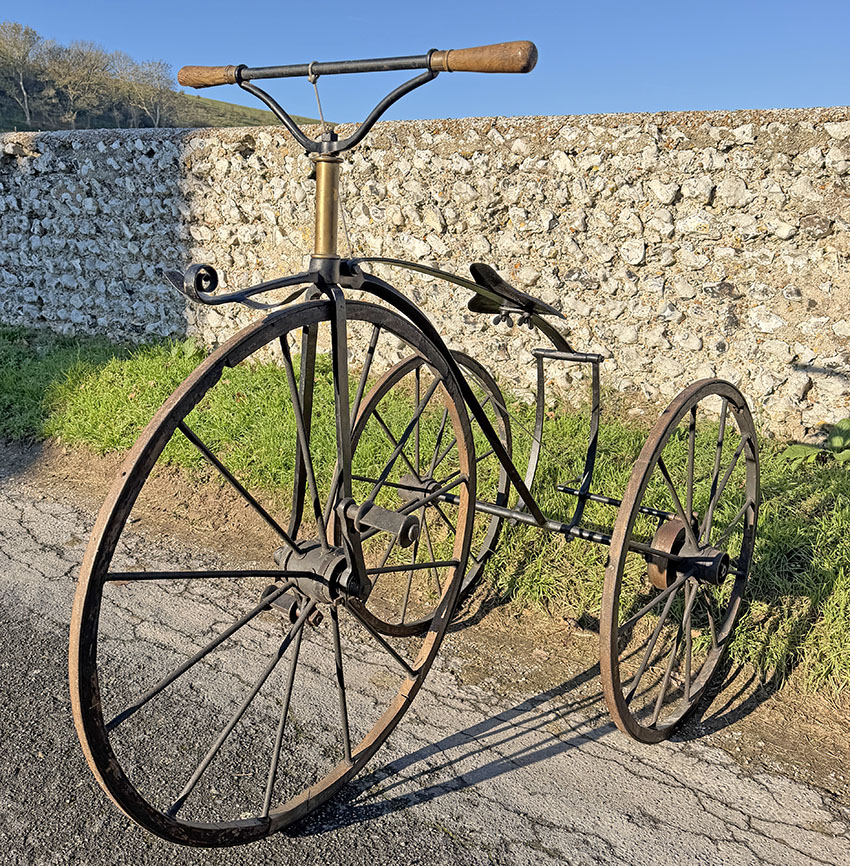
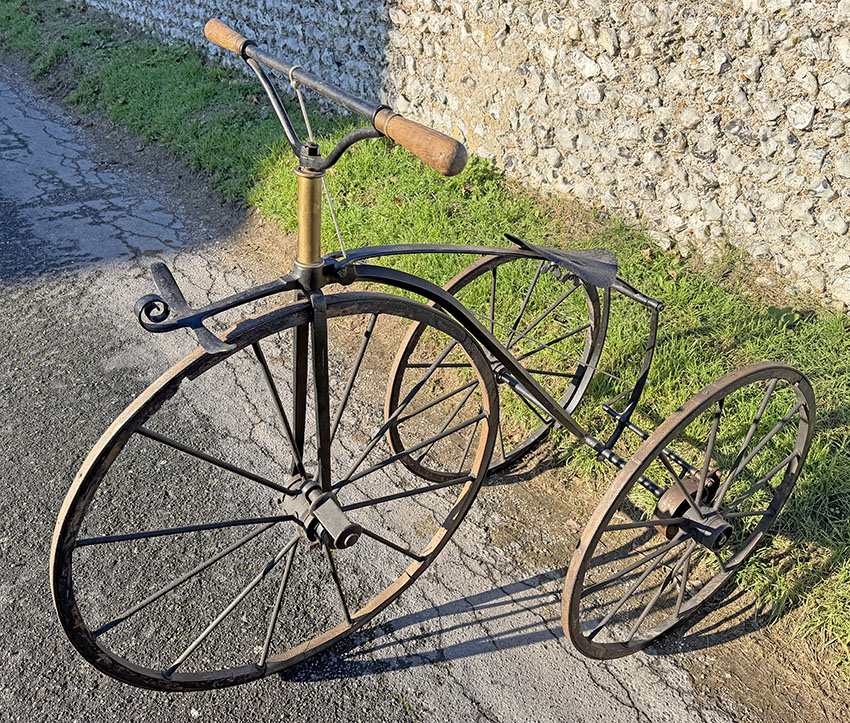
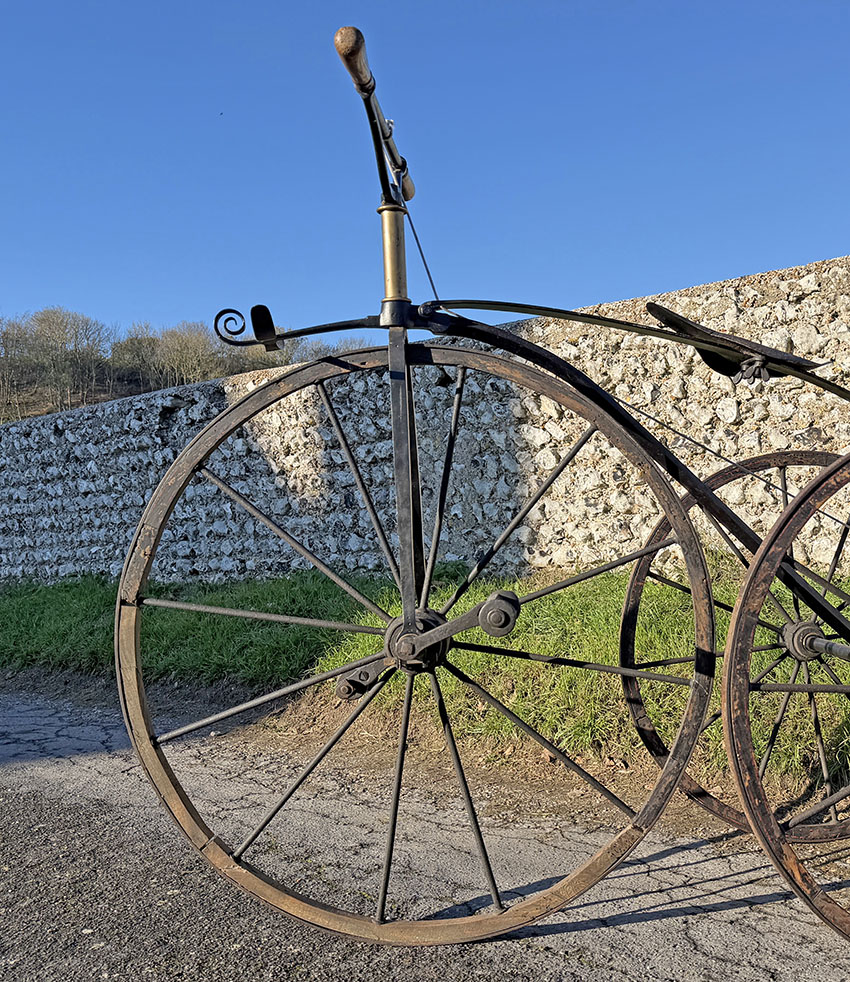
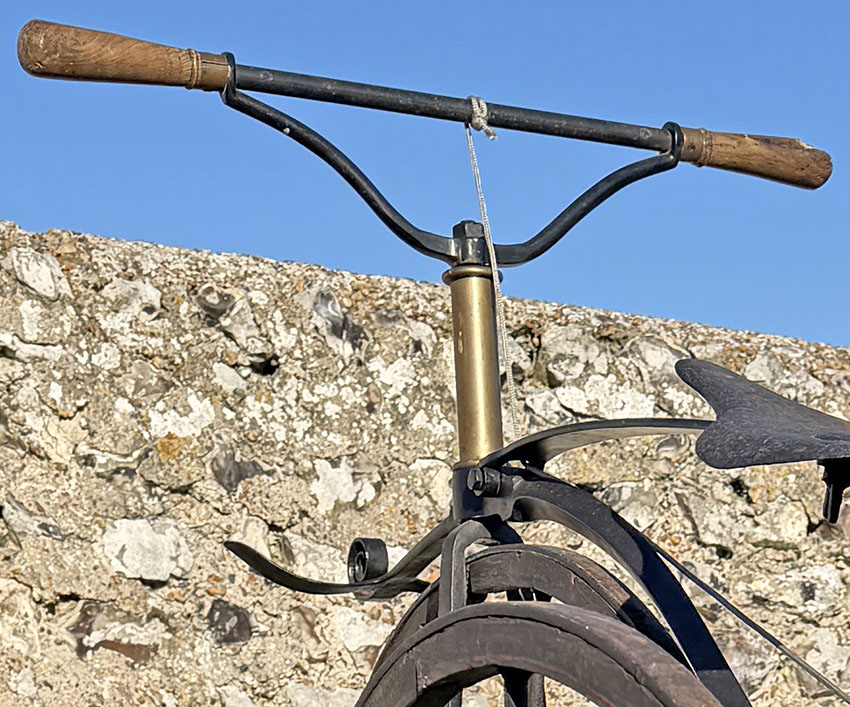
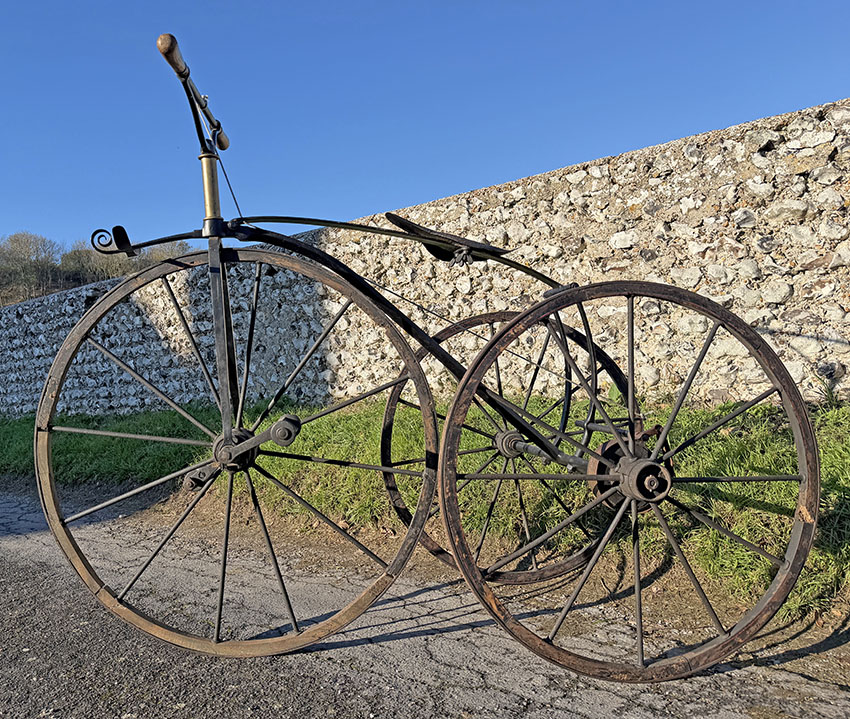
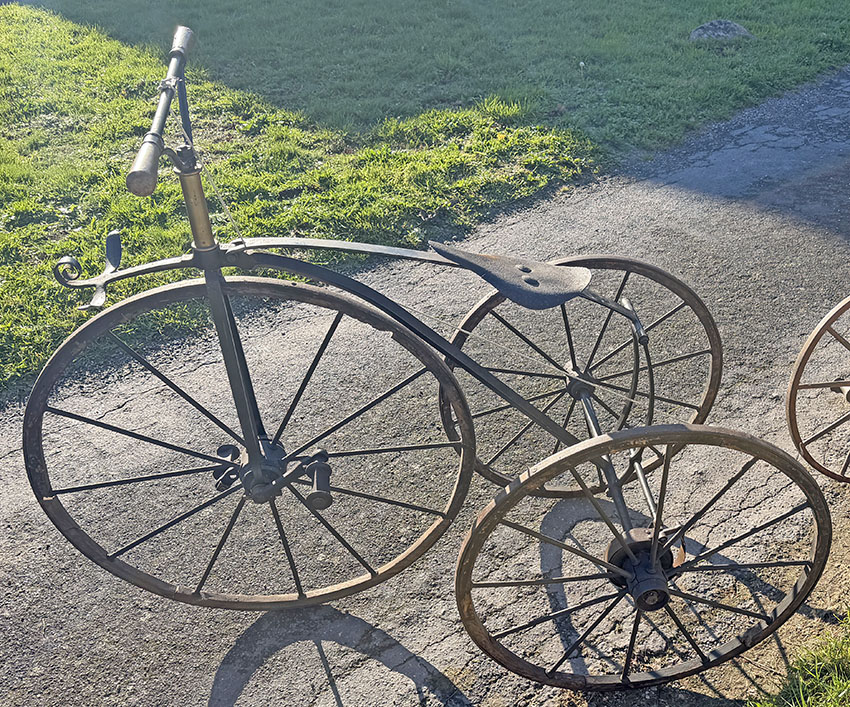
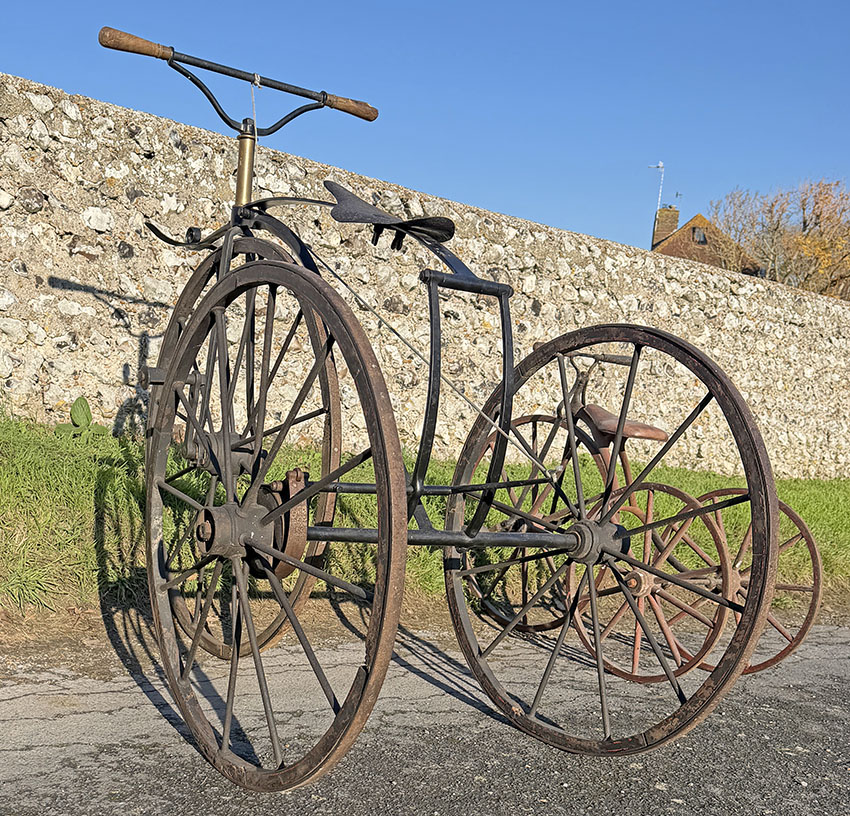
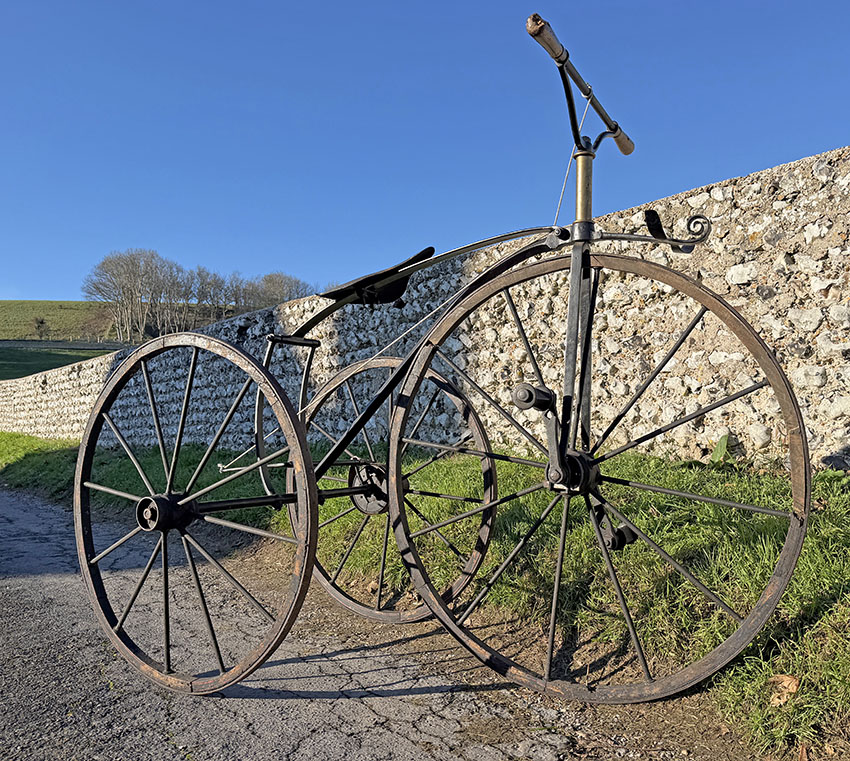
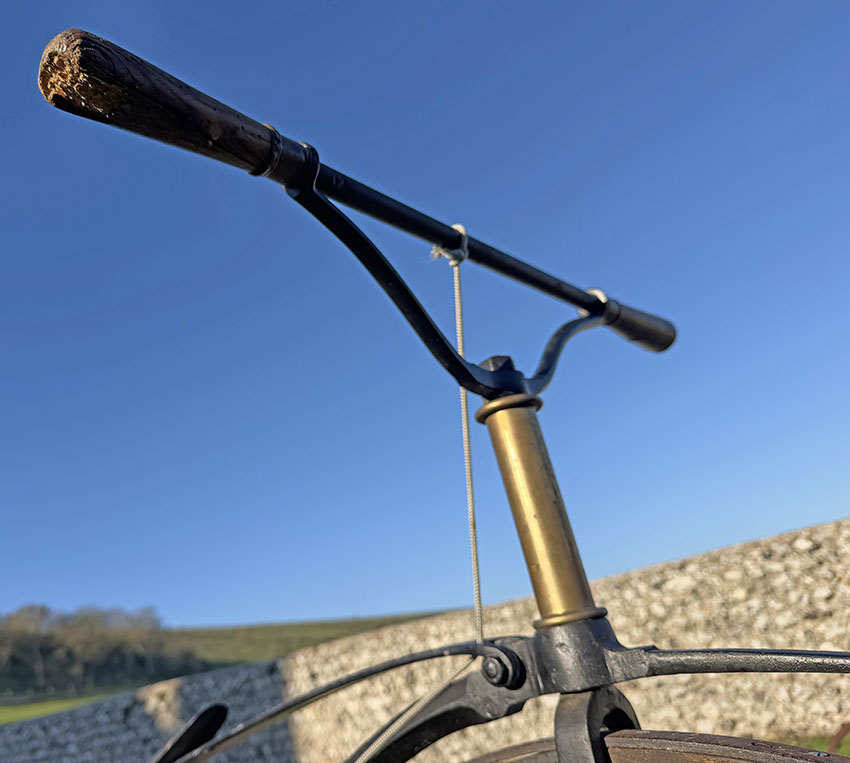
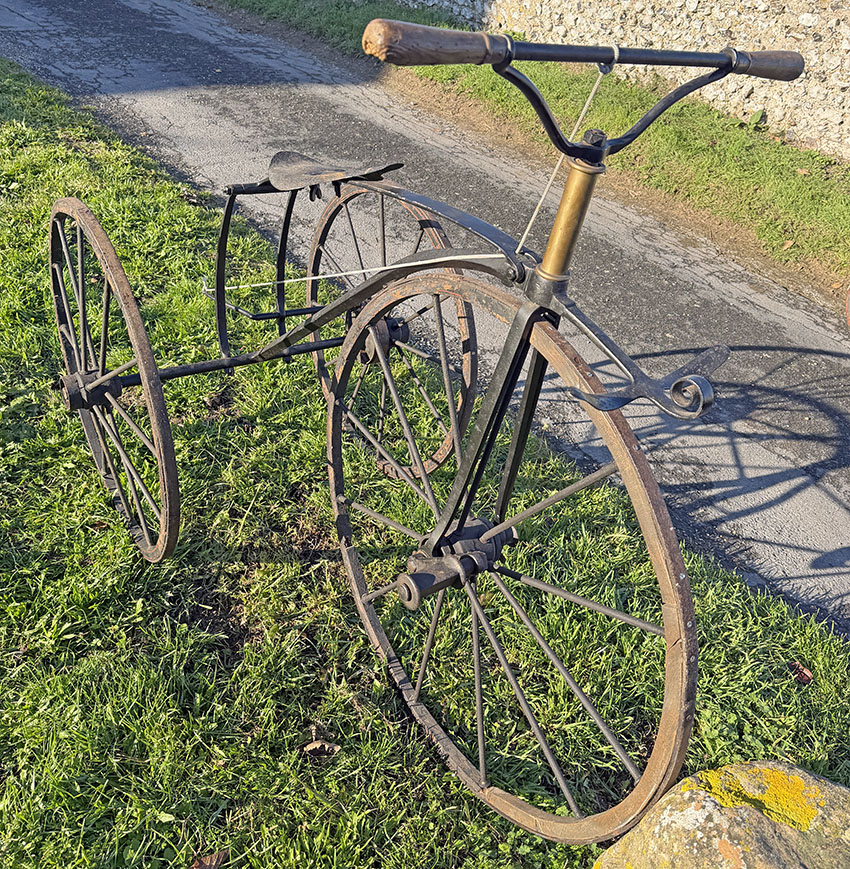
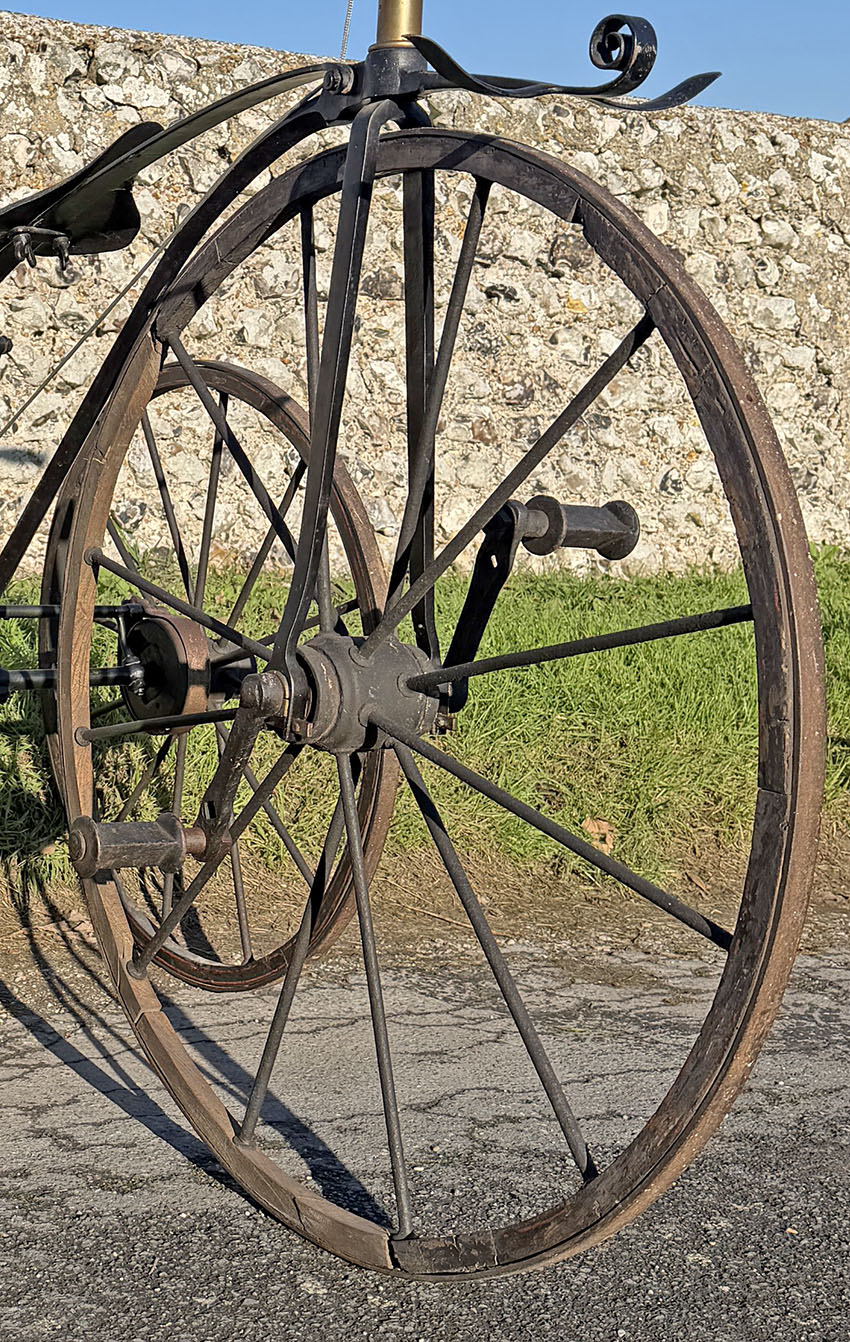
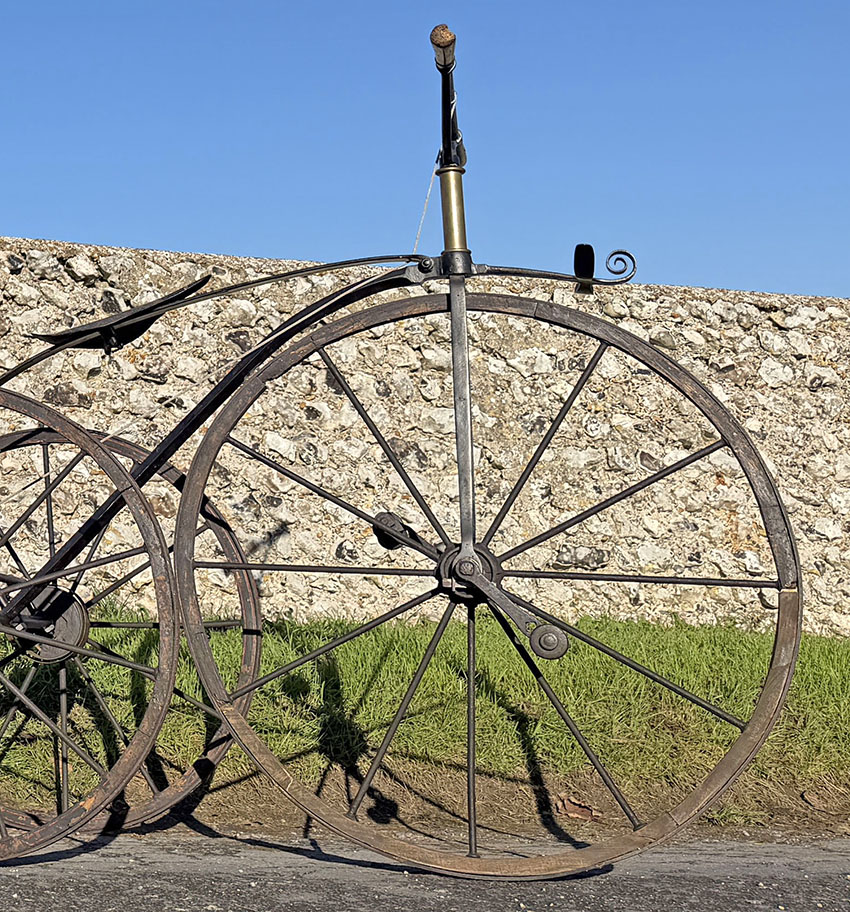
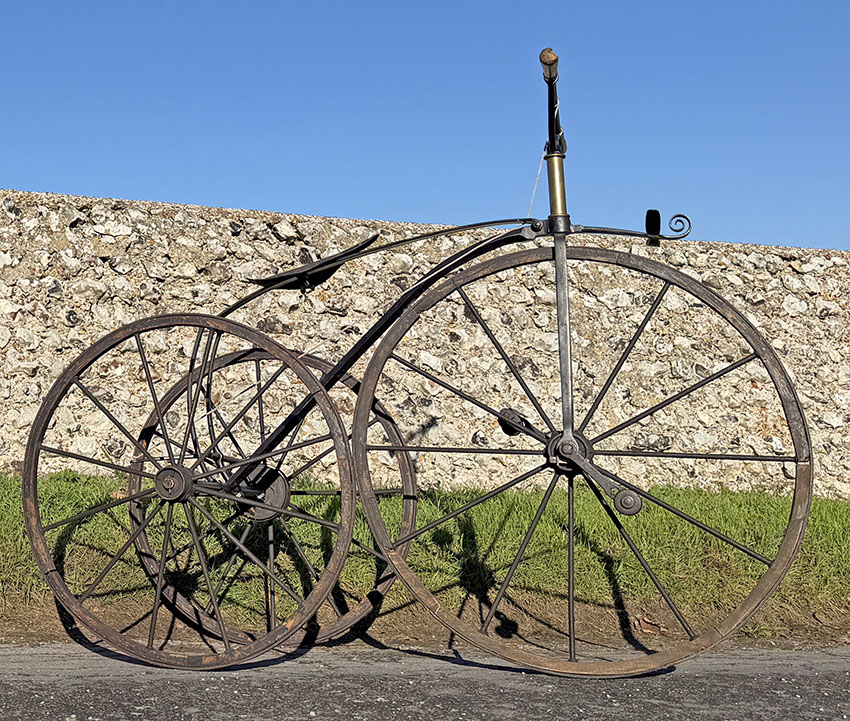
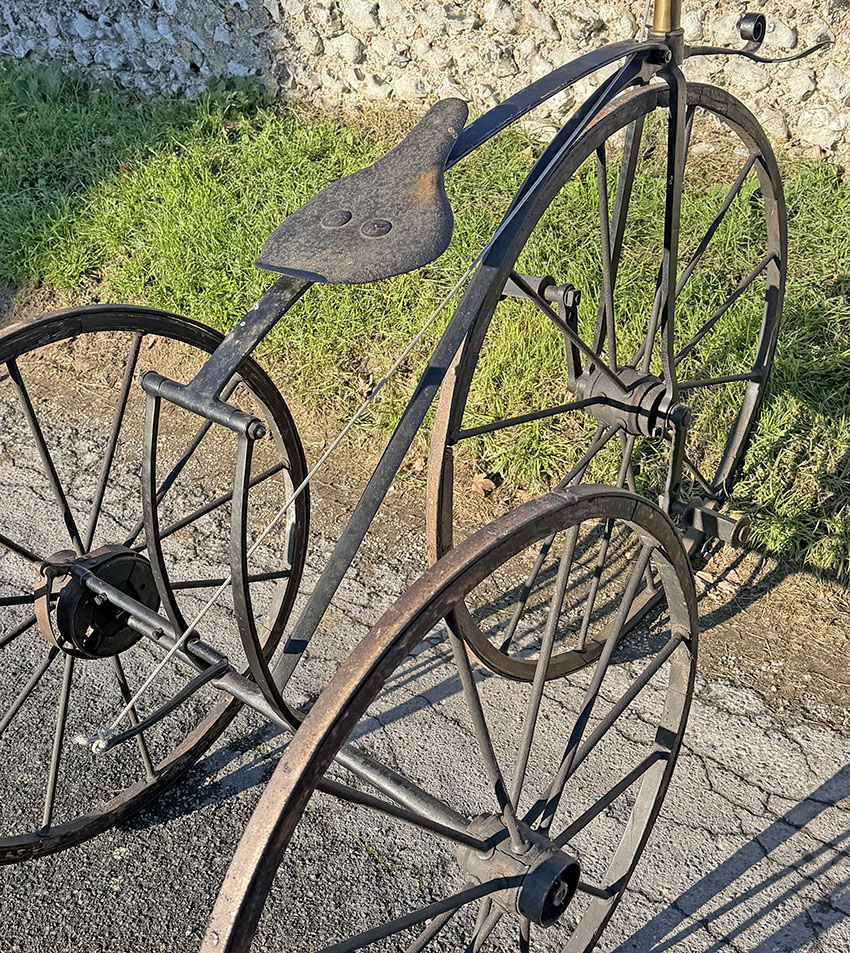
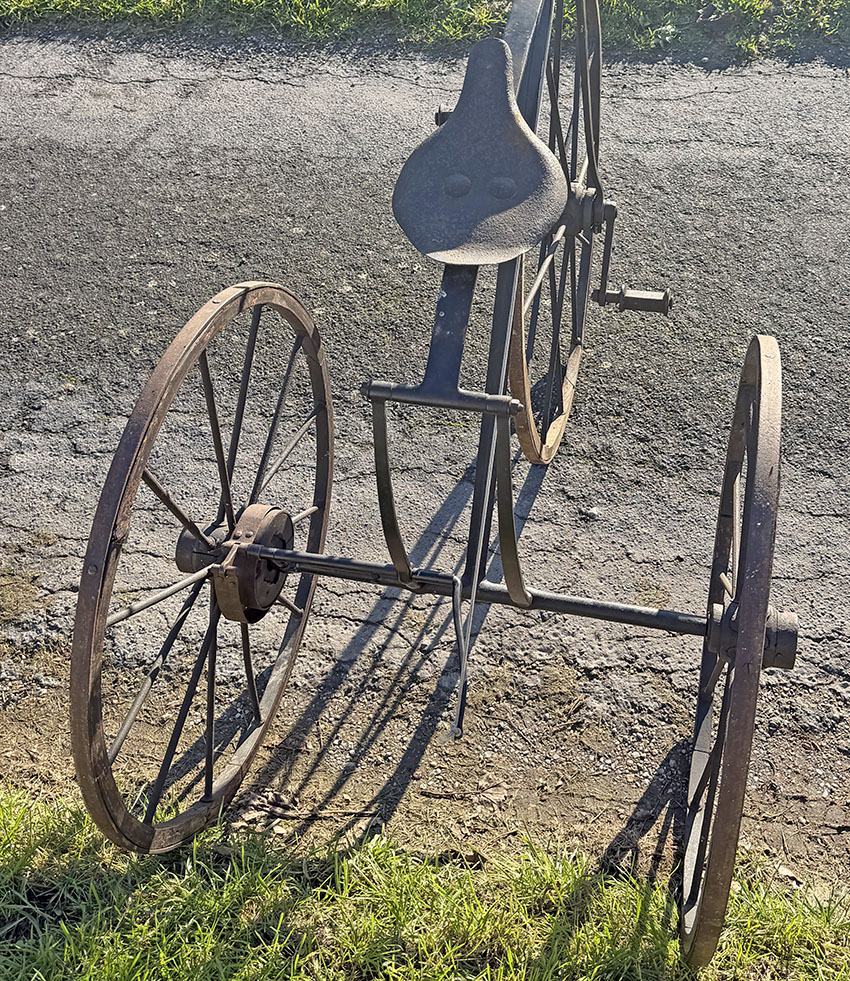
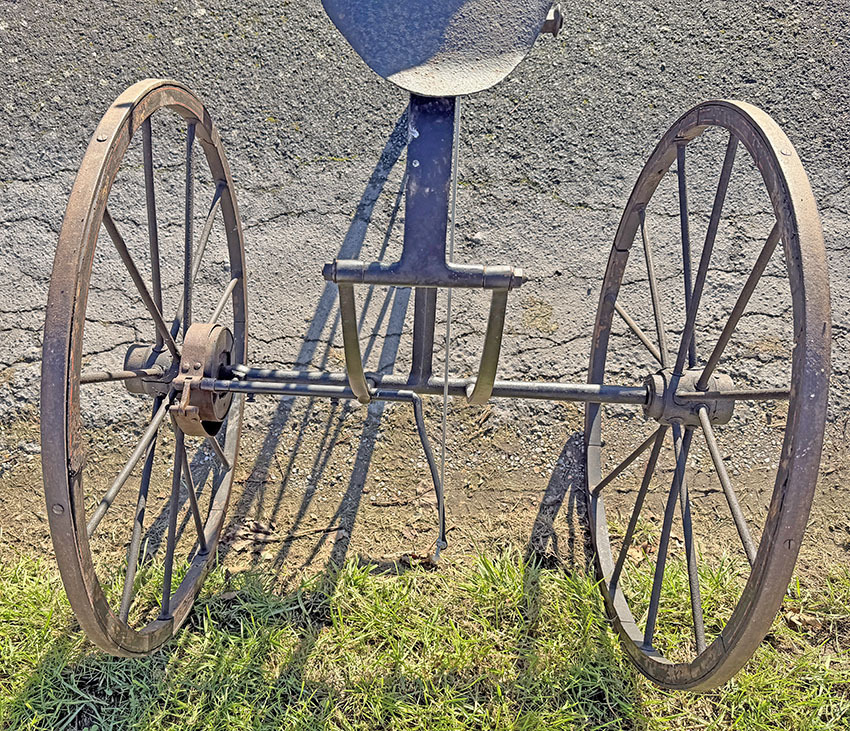
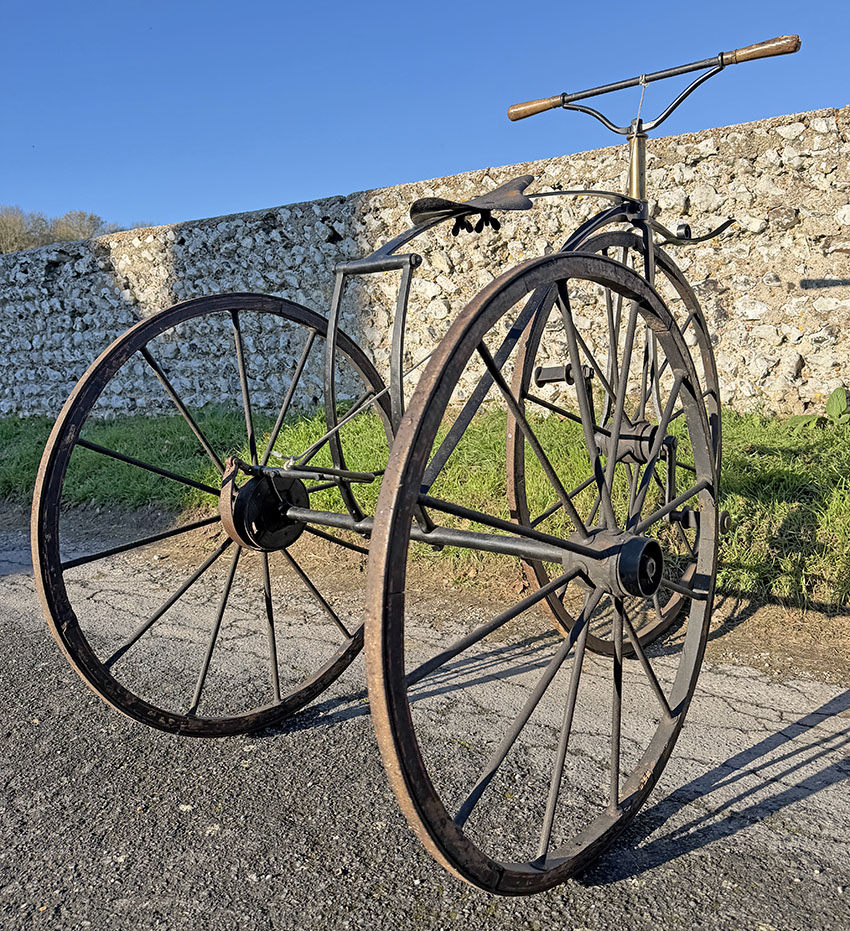
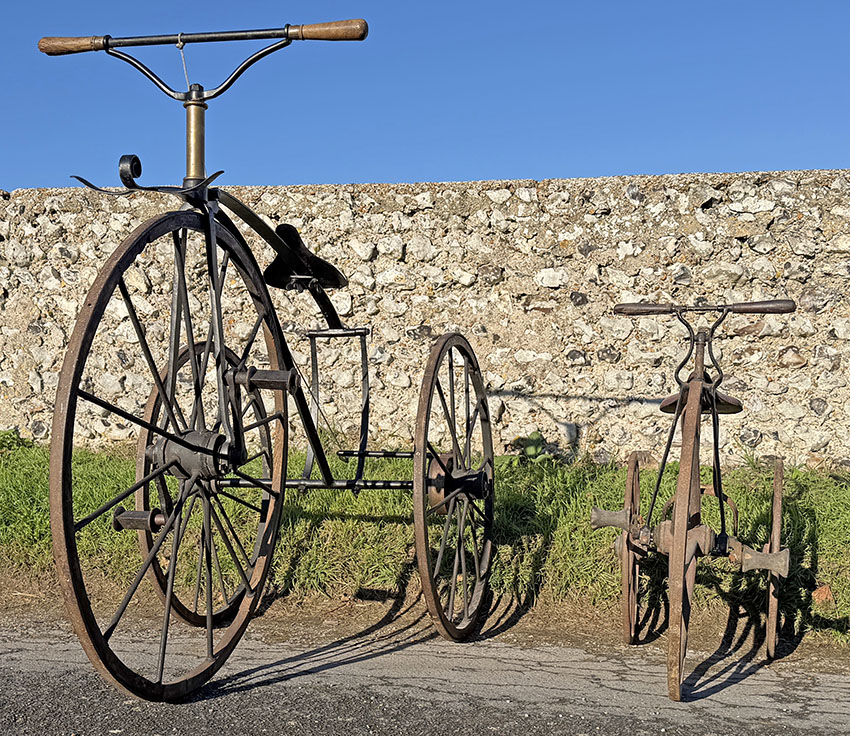
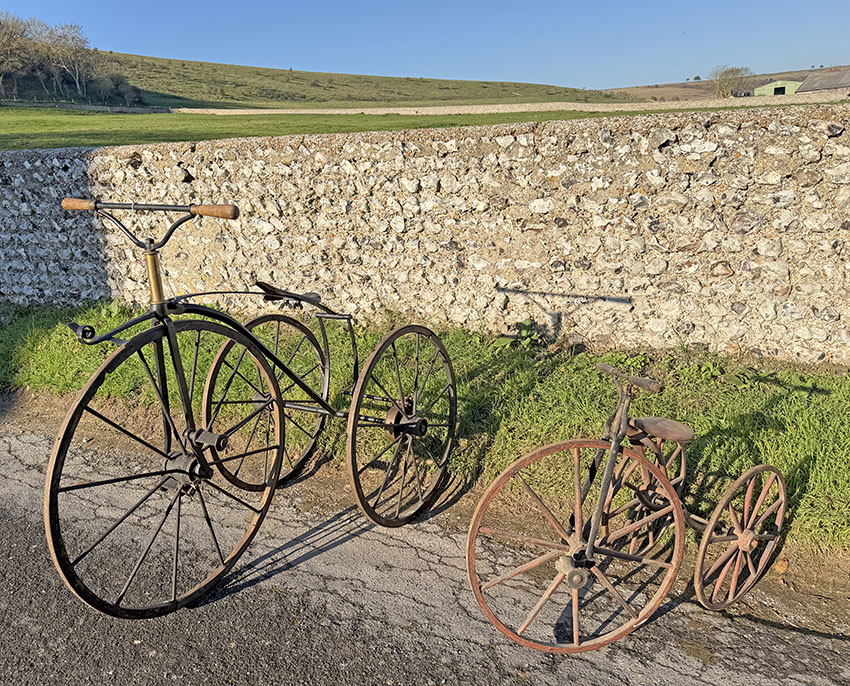
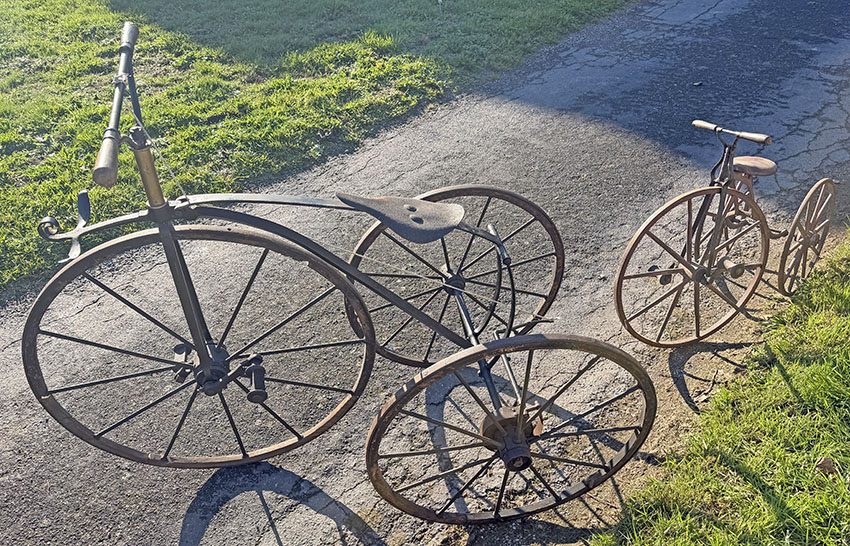
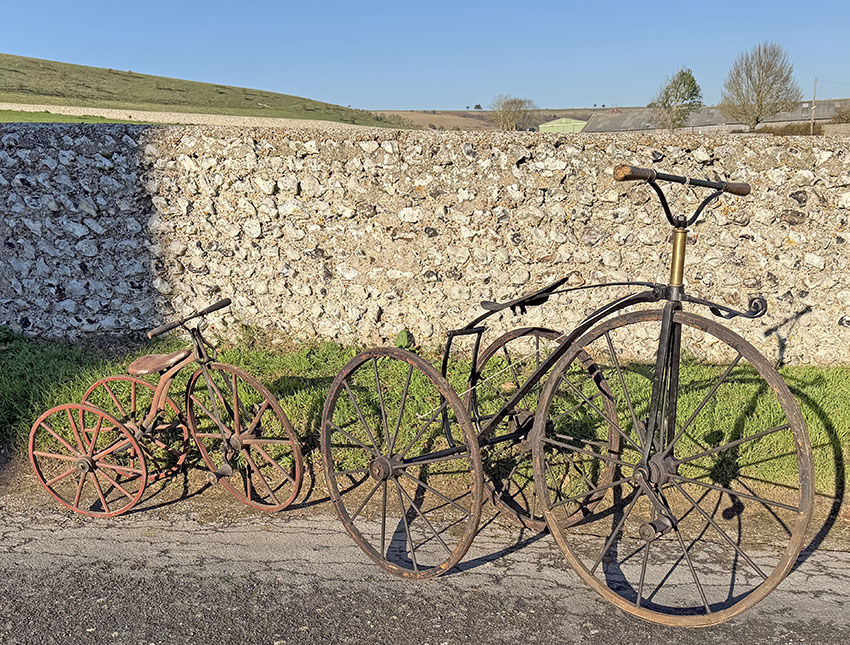
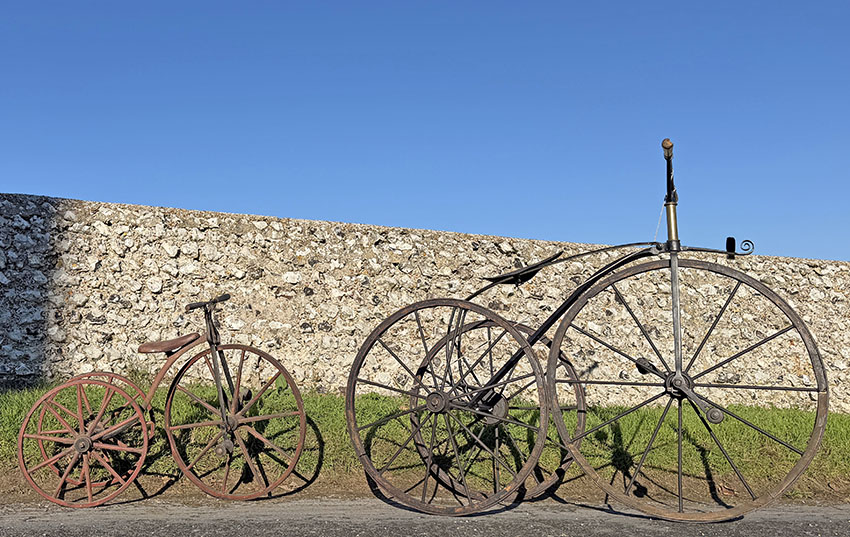
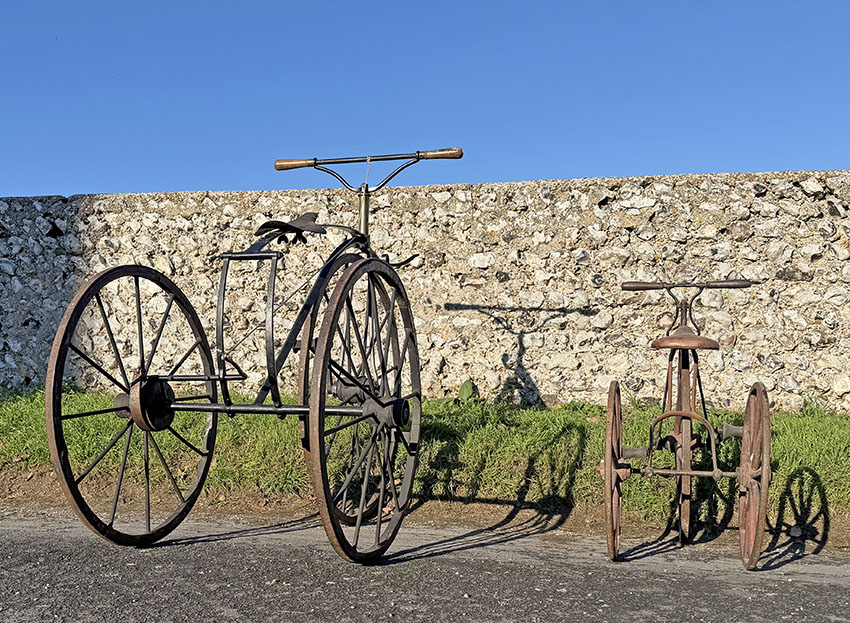
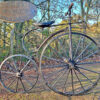
The velocipede bicycle came in and went out of fashion in the course of just a few years. Such was its popularity in its prime in Britain that it created a new industry, and proved to the new manufacturers that there was a great public demand for a means of independent wheeled transportation. But the manufacturers also realised that the velocipede itself was just the first version, and innovators in the fledgling industry soon introduced a more practical machine with a lighter weight backbone and metal wheels. Though the velocipede bicycle was superseded by the new ‘penny farthing’, the larger front wheel of the ‘penny farthing’ was less practical for a tricycle version and more unstable too.
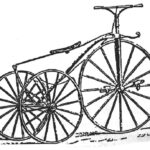
While solo velocipedes were only suitable for athletic young men, a tricycle could be ridden by older riders. However, the roads were not up to the job. Roads outside cities were rutted by the regular use of horse carts, and though bicycles could ride in the ruts it was impossible for tricycles to use. So they were limited to city use. In fact, their ideal use was in velocipede riding schools, many of which sprang up around the country.
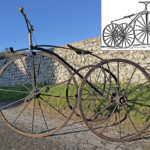
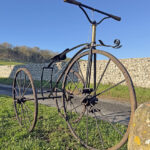
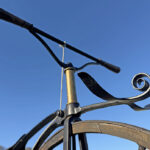
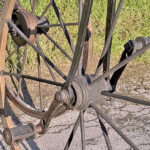
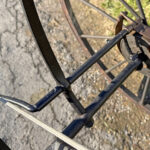
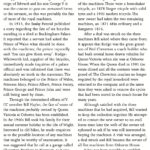
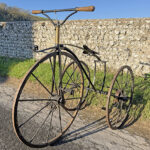
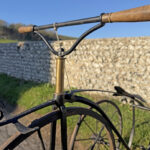
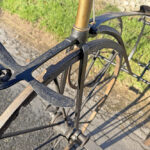
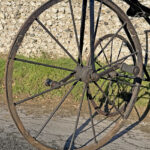
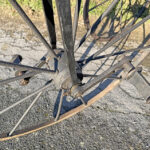
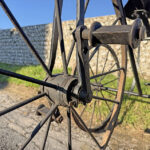
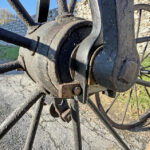
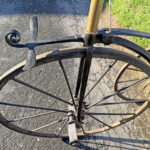
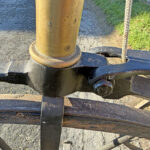
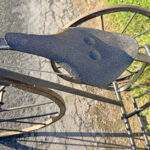
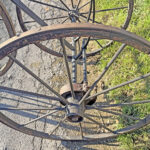
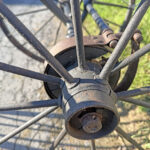
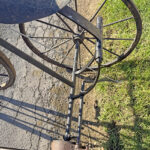
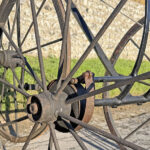
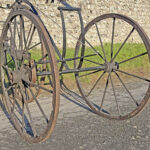
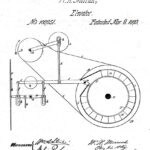
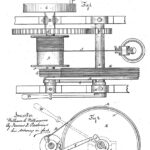
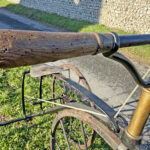
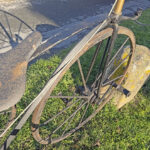
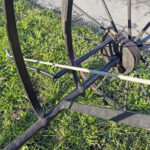
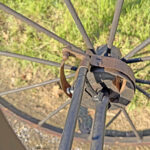
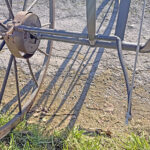
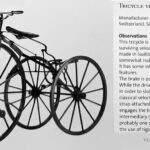
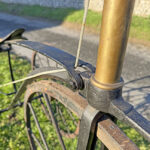
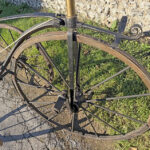
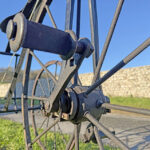
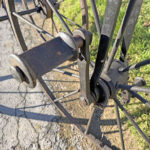
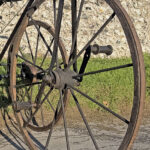
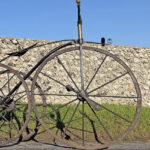
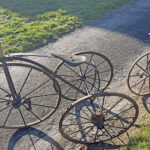
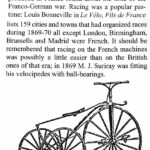
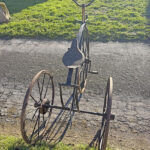
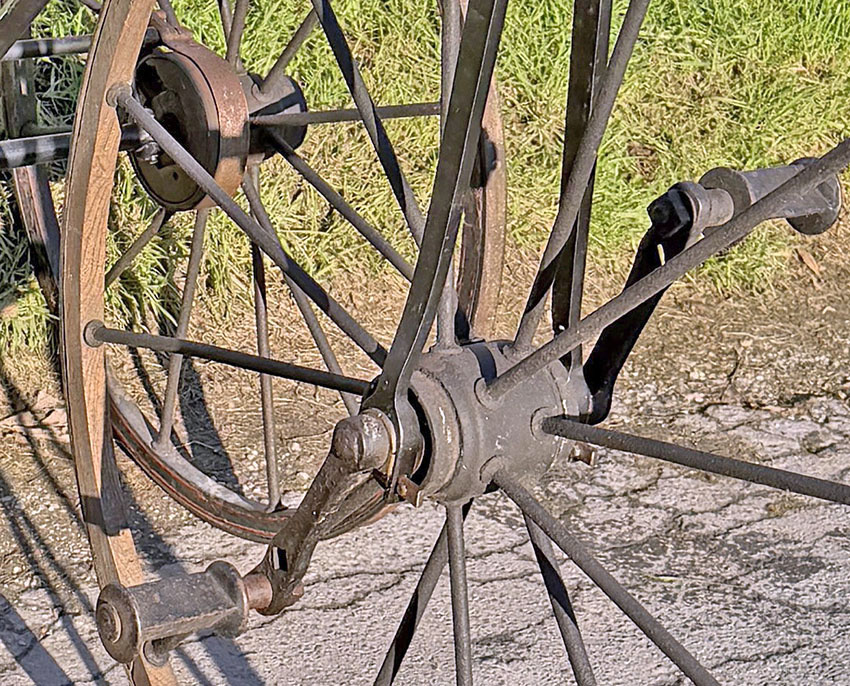
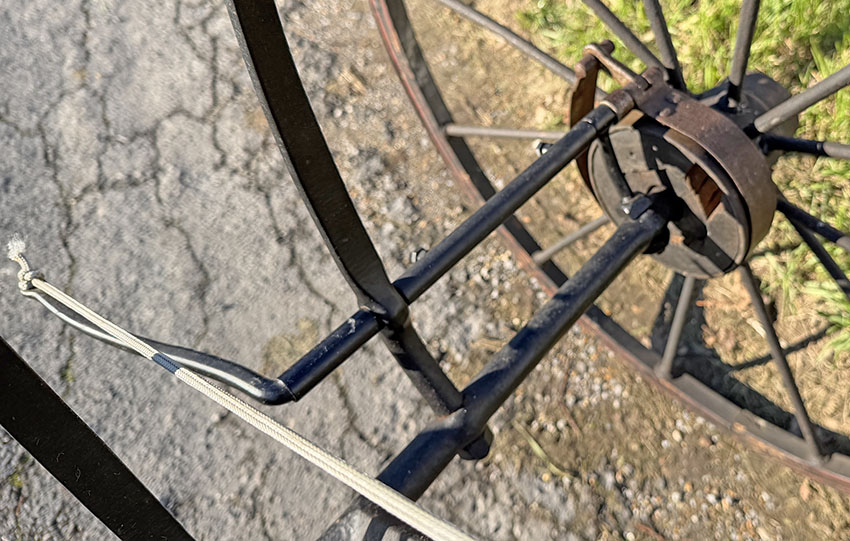
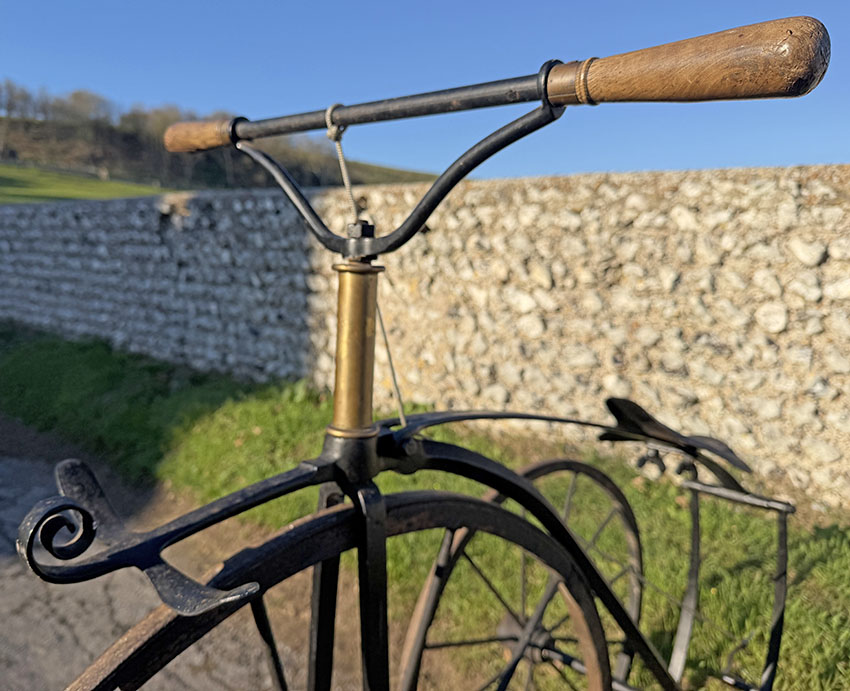
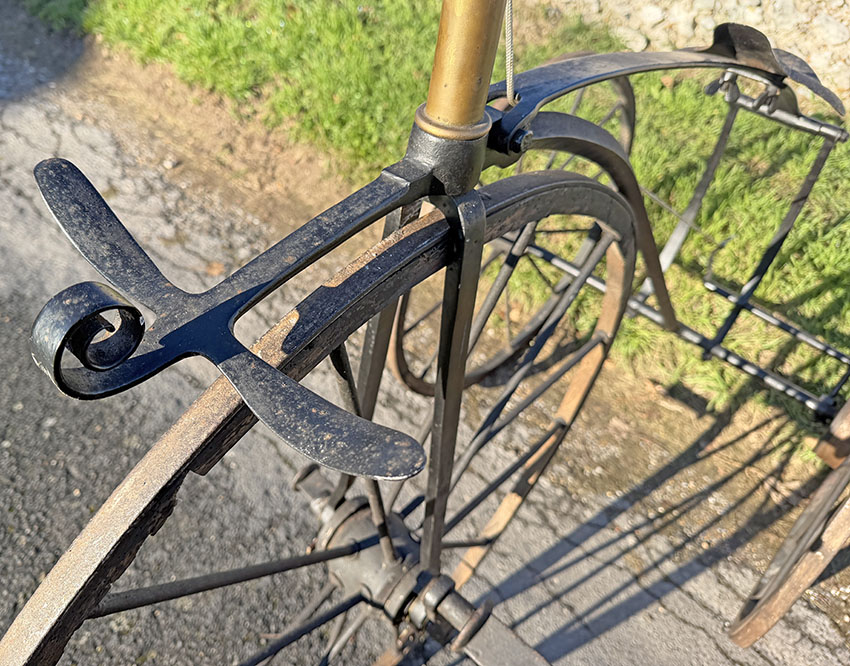
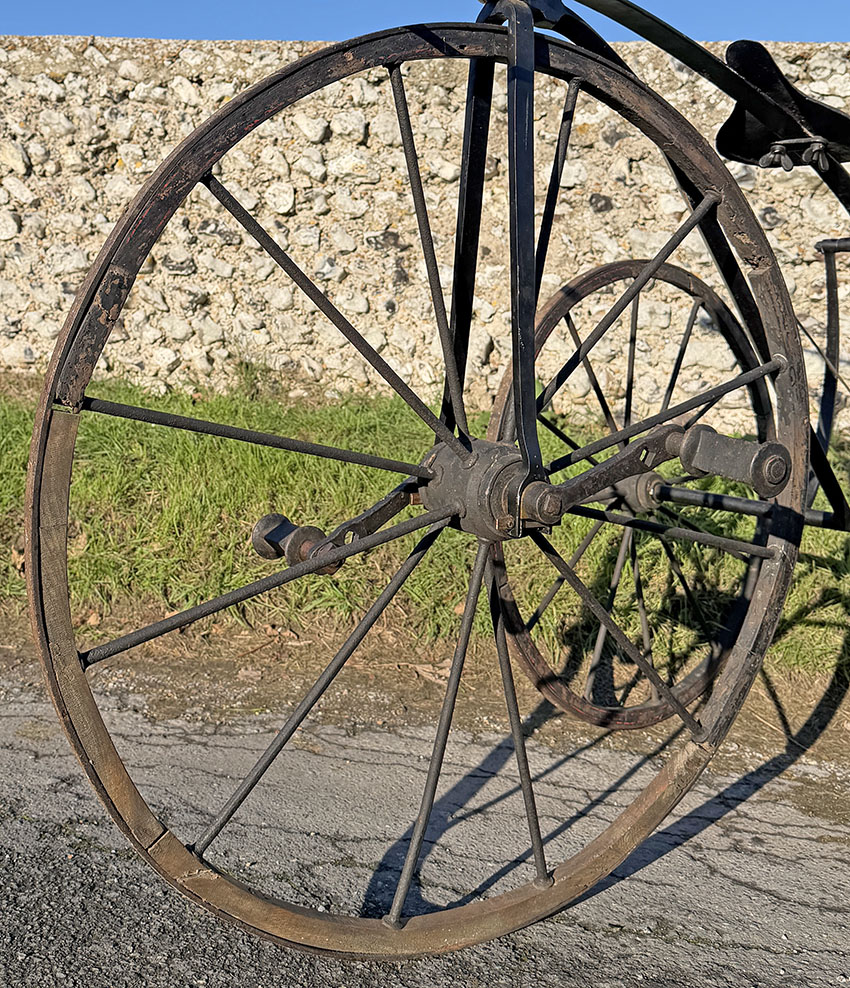
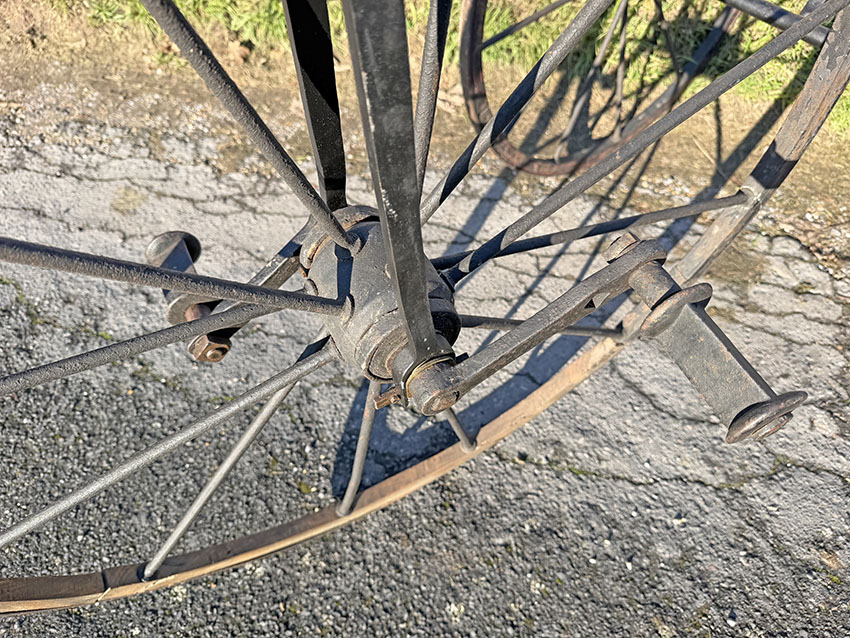
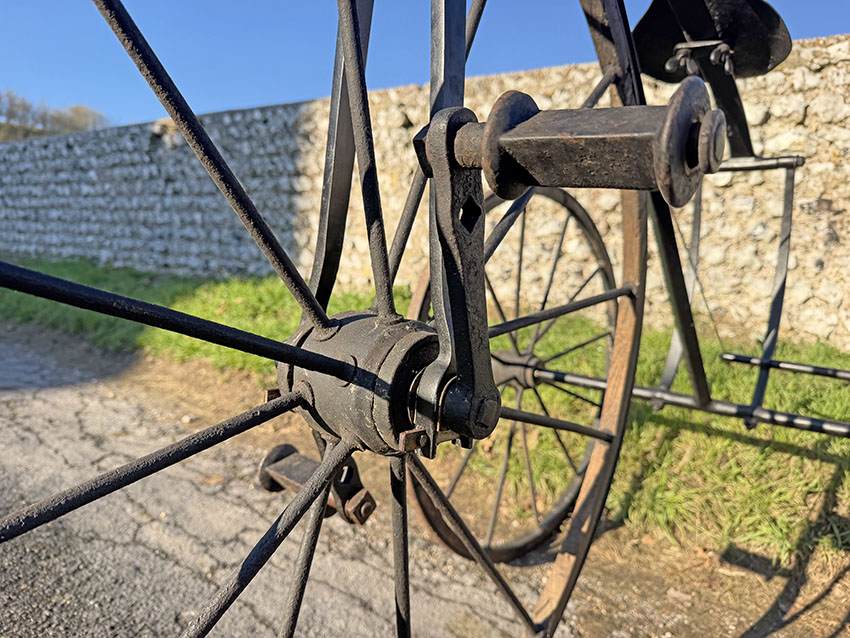
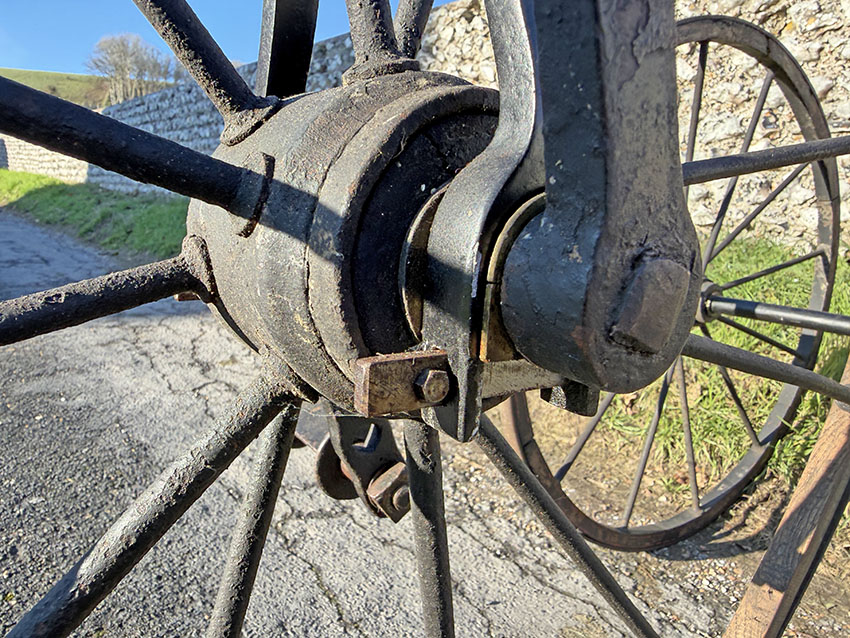
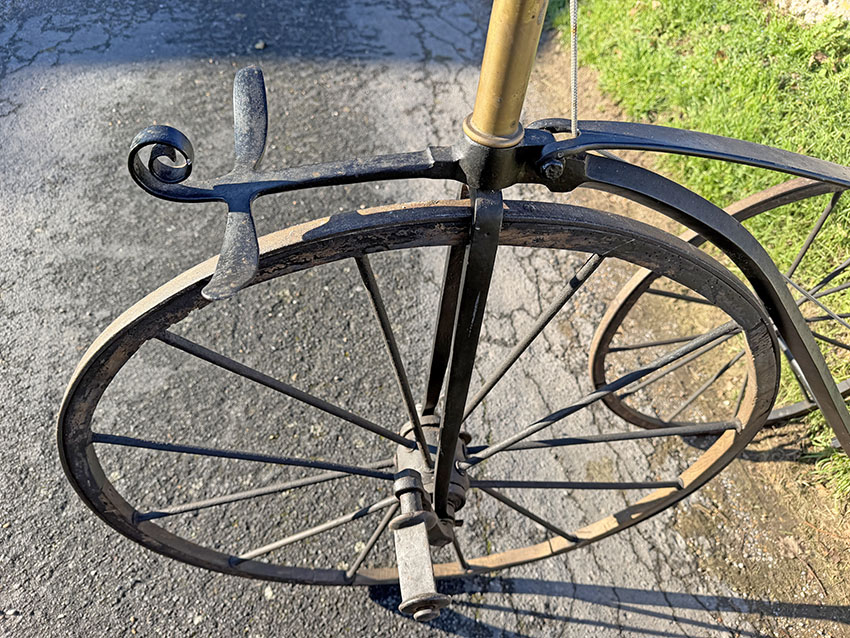
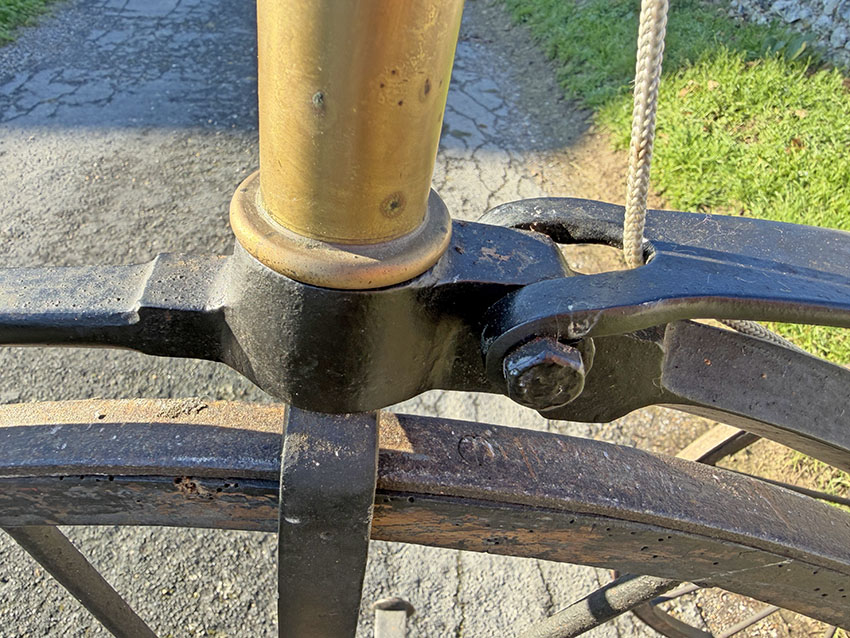
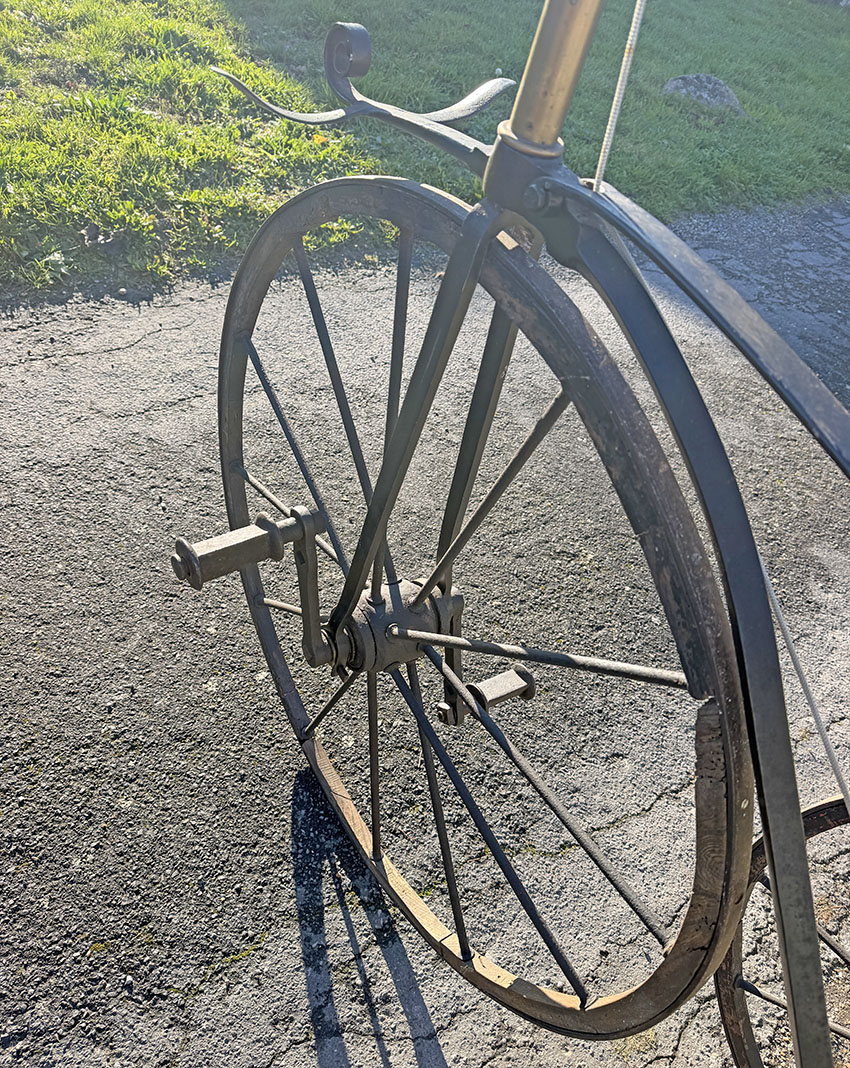
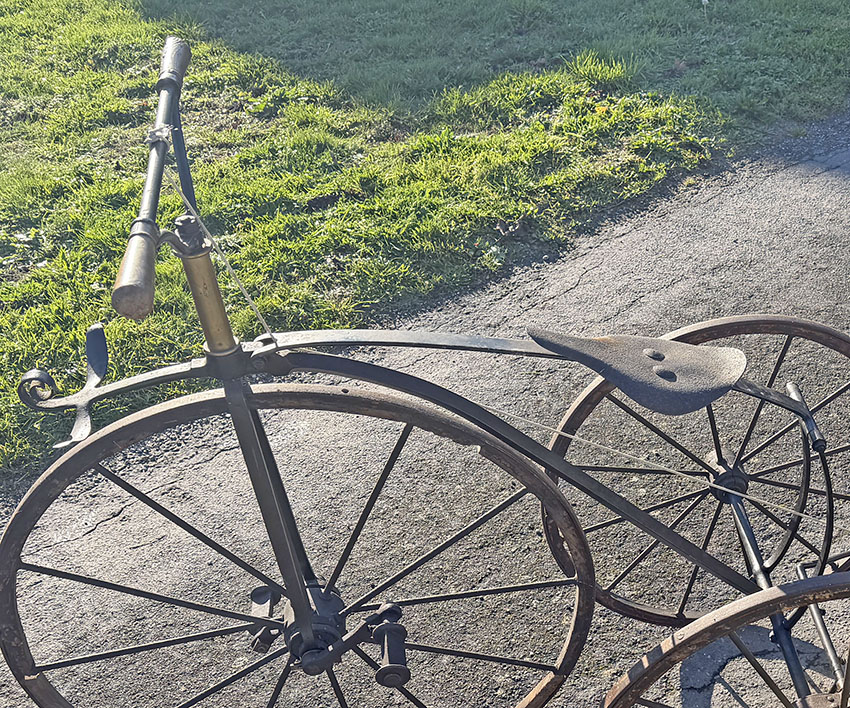
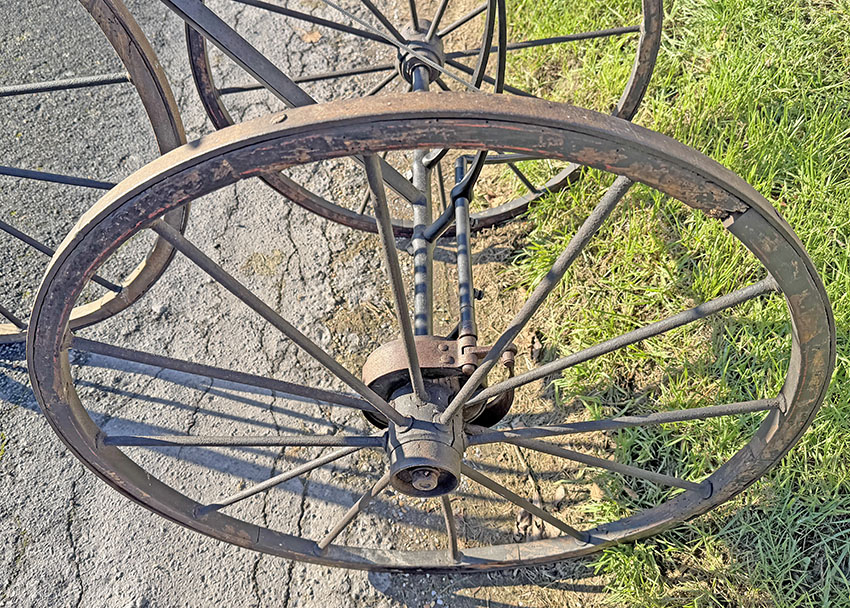
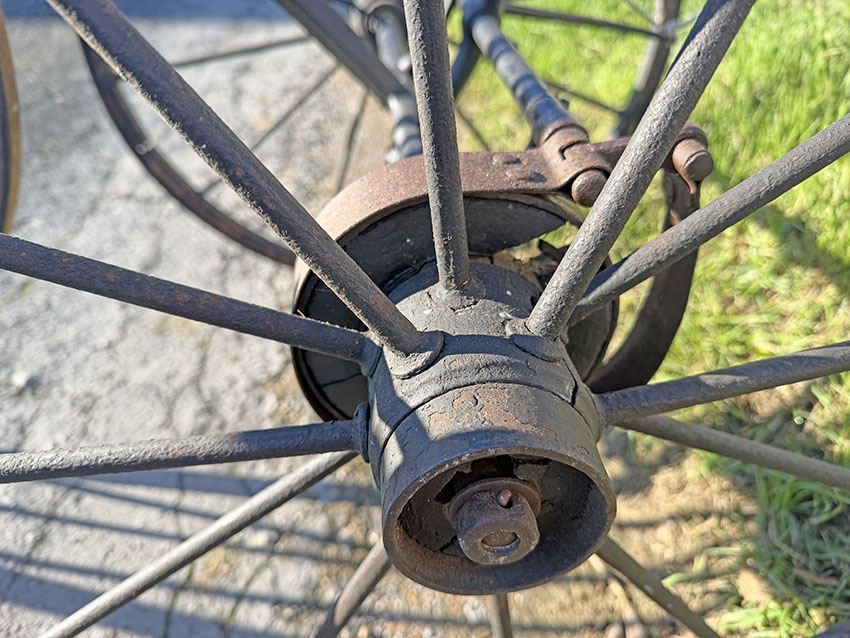
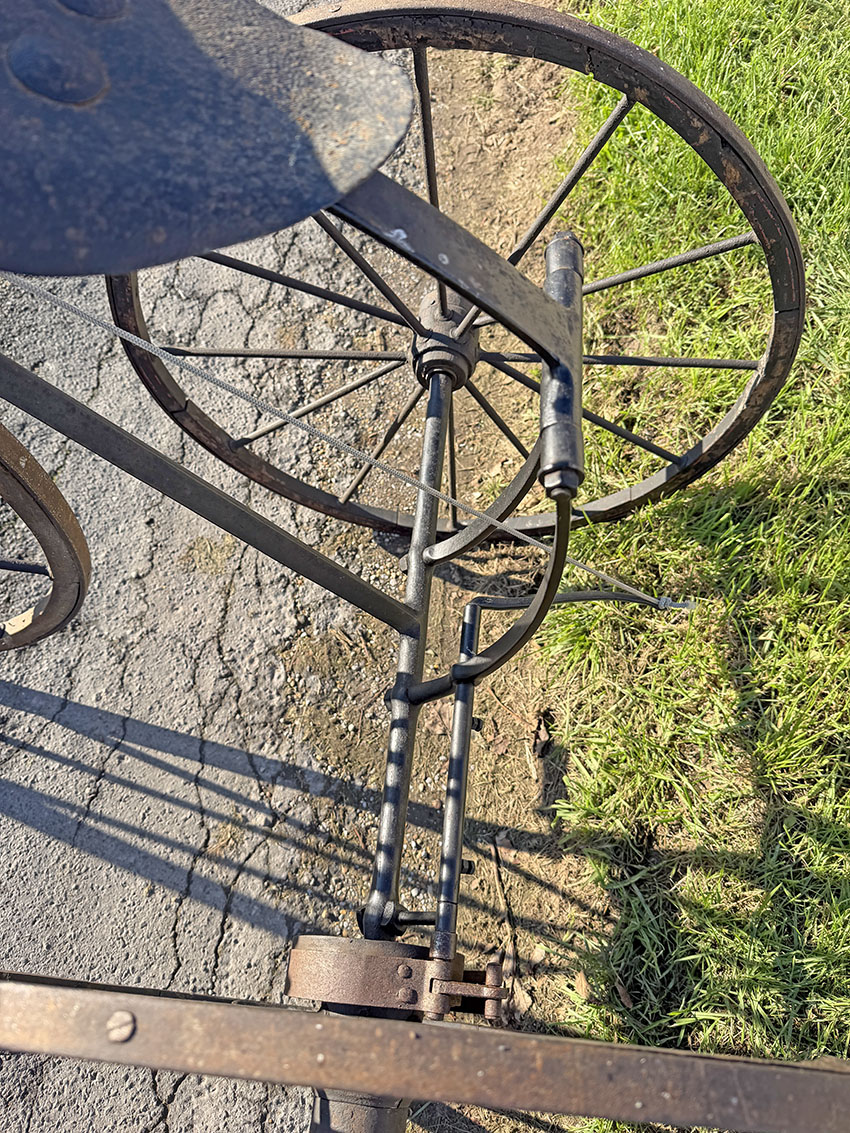
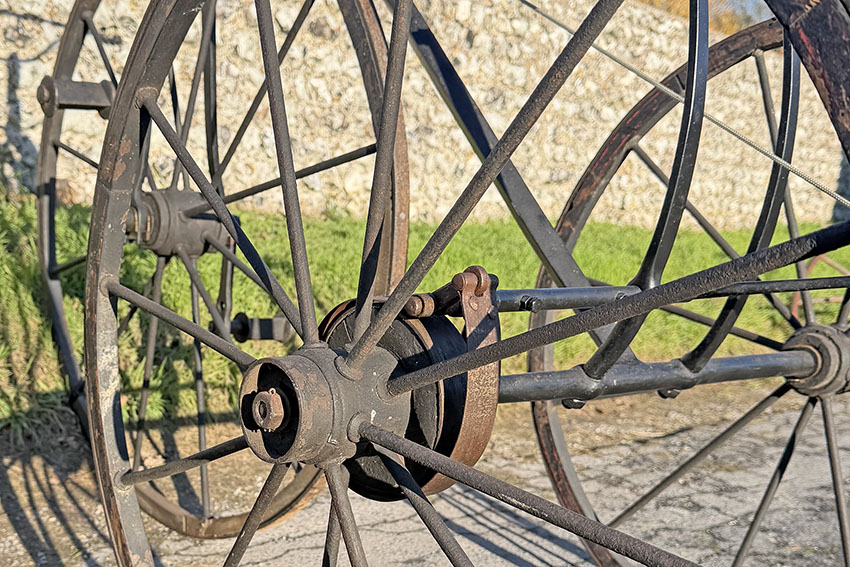
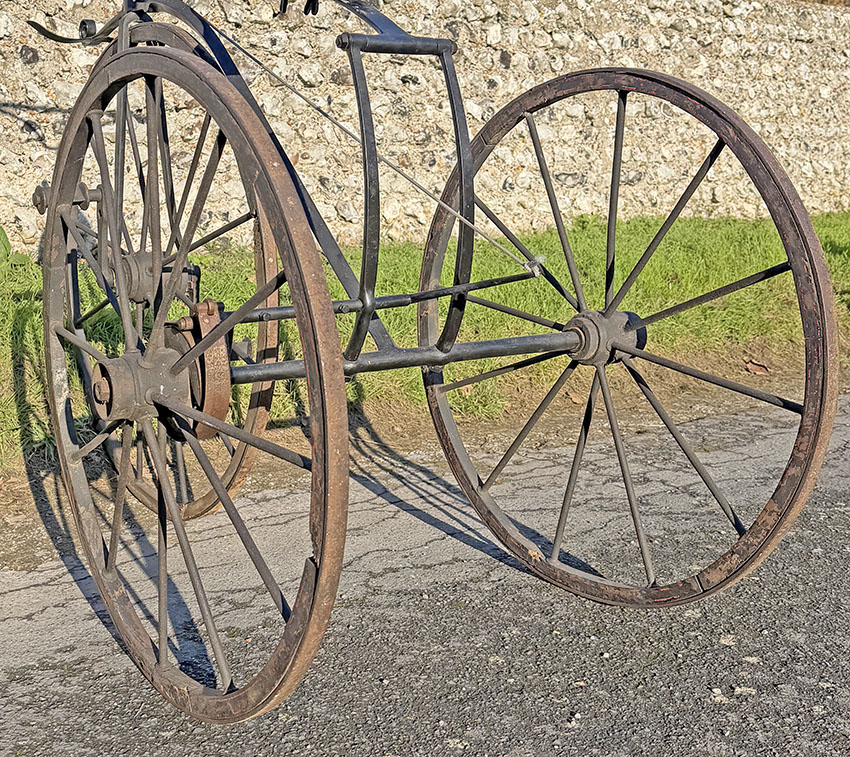
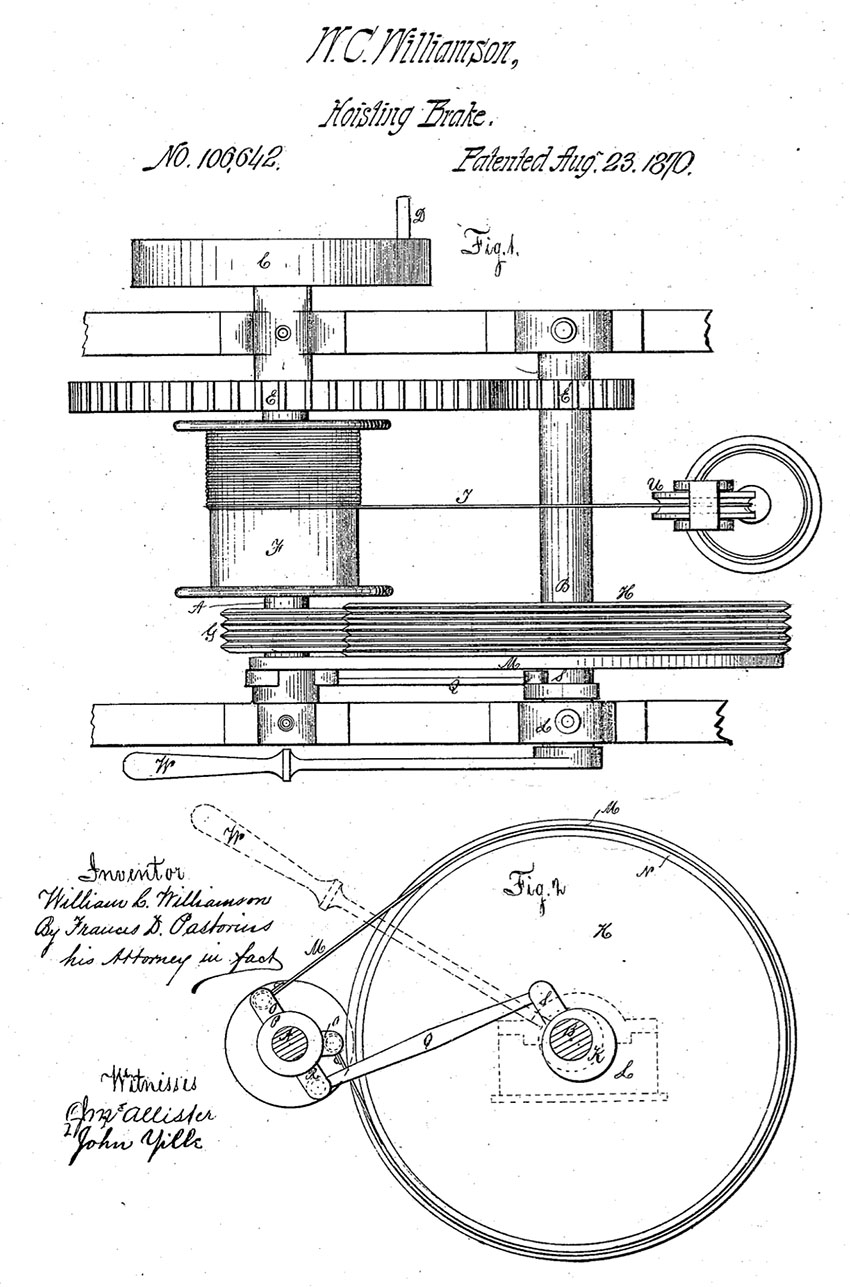
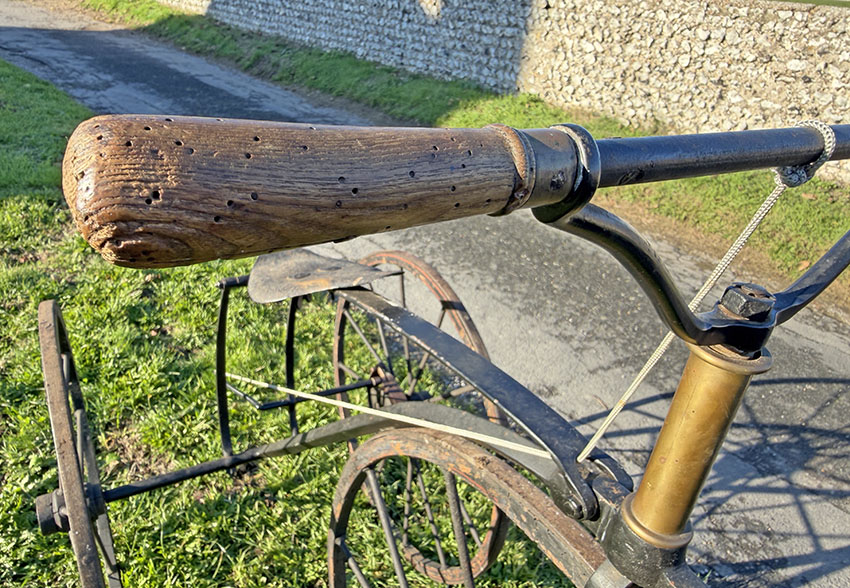
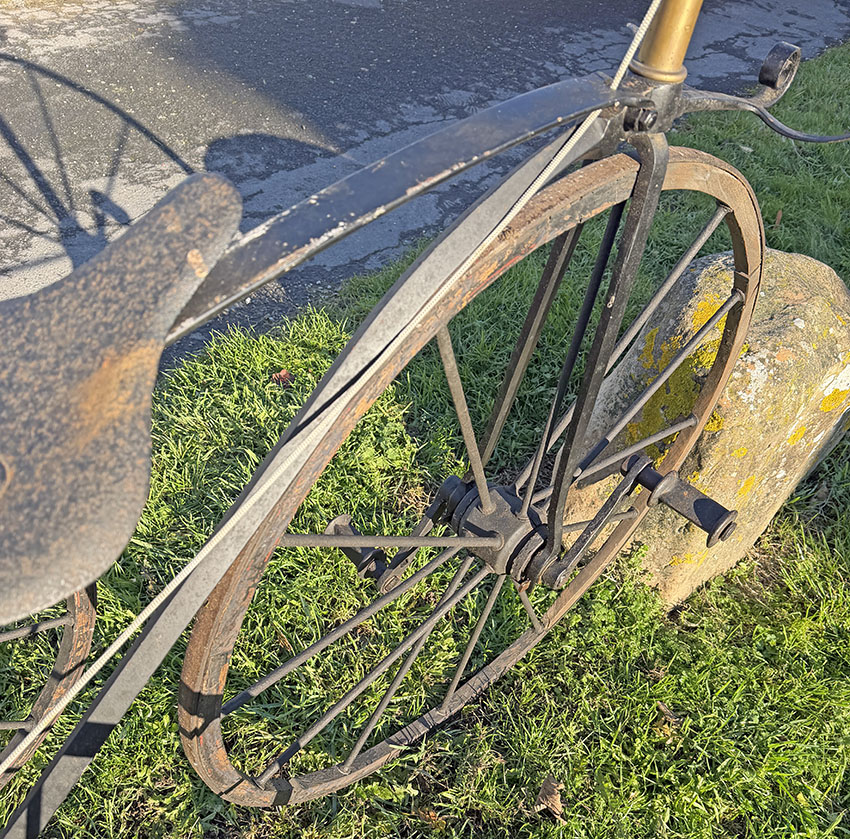
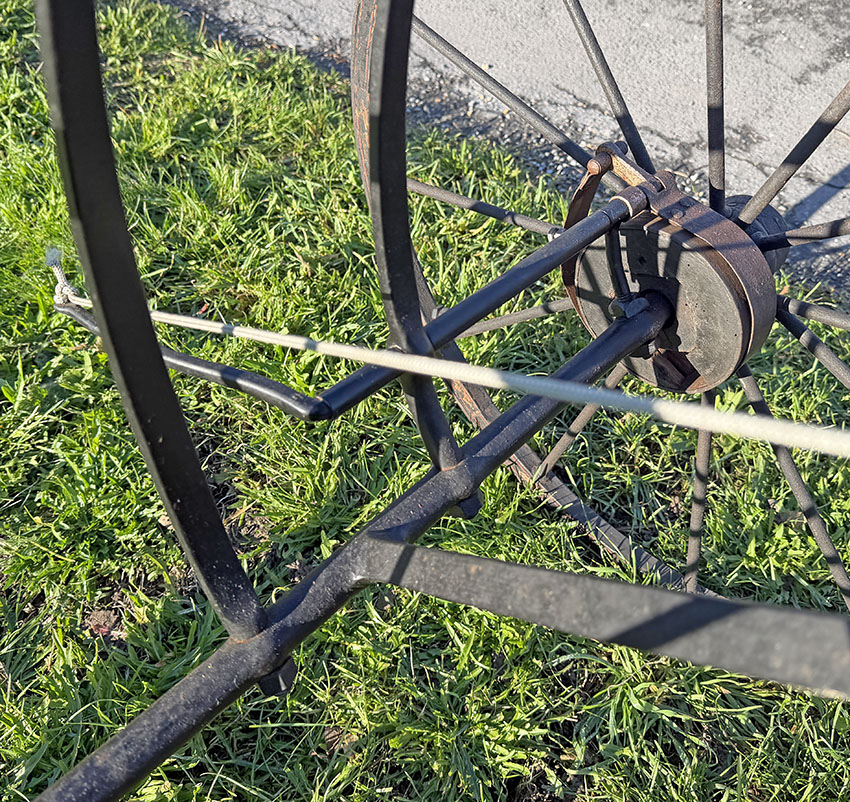
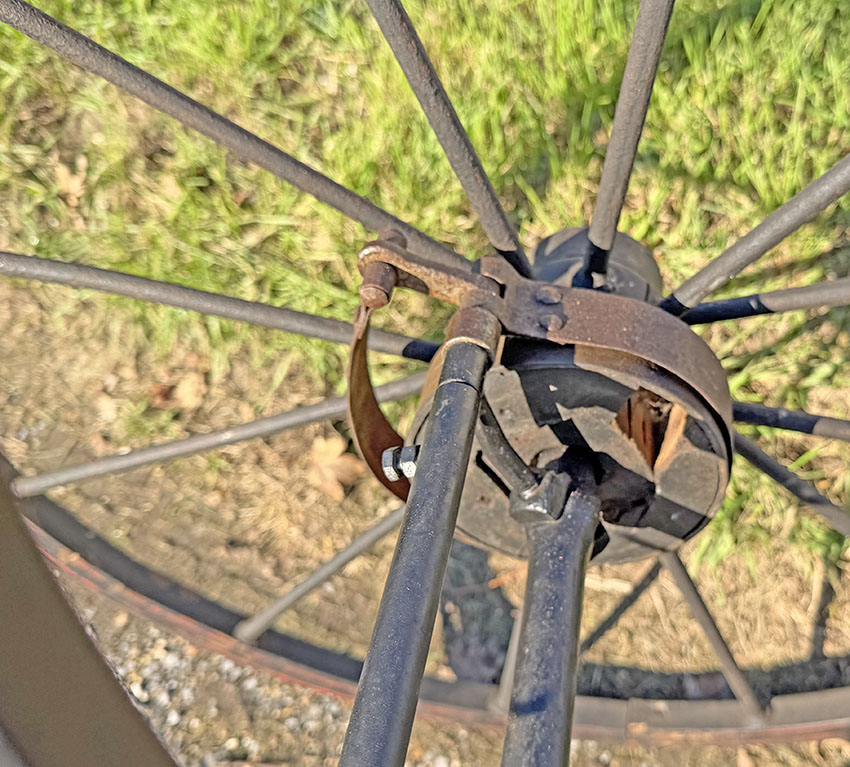
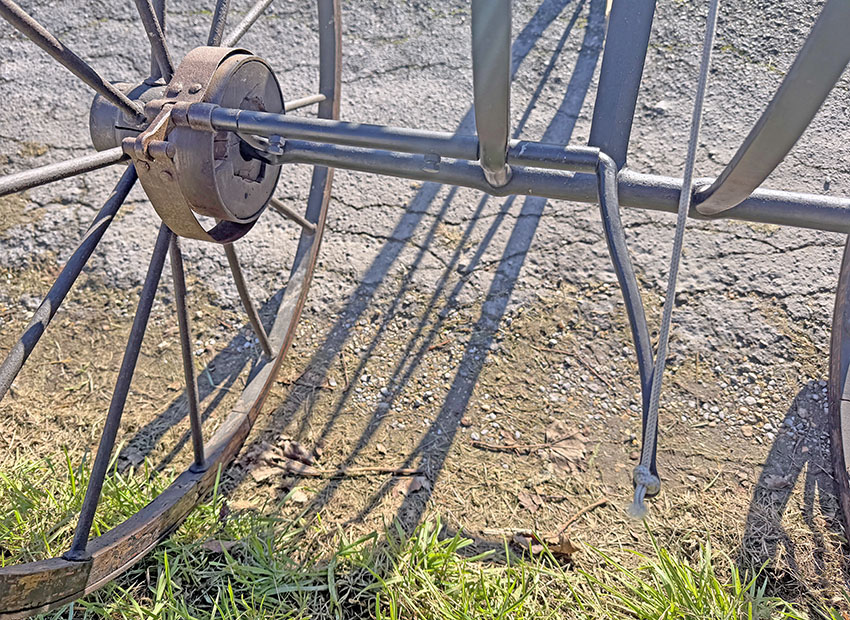
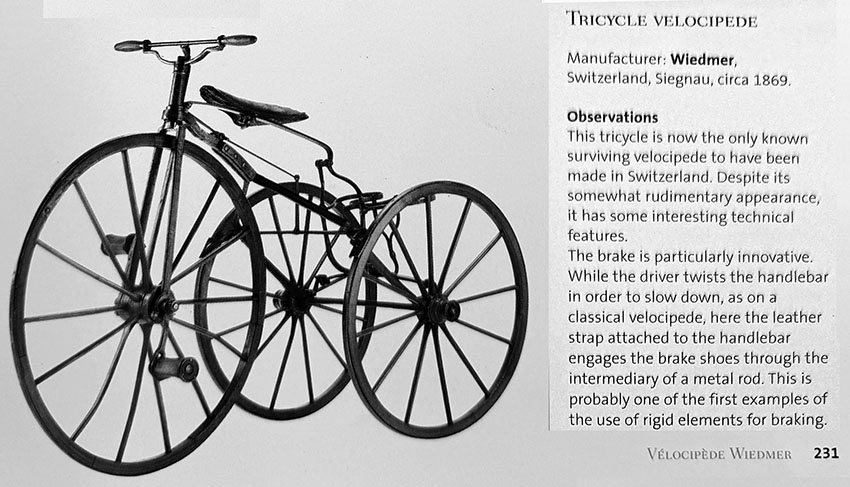
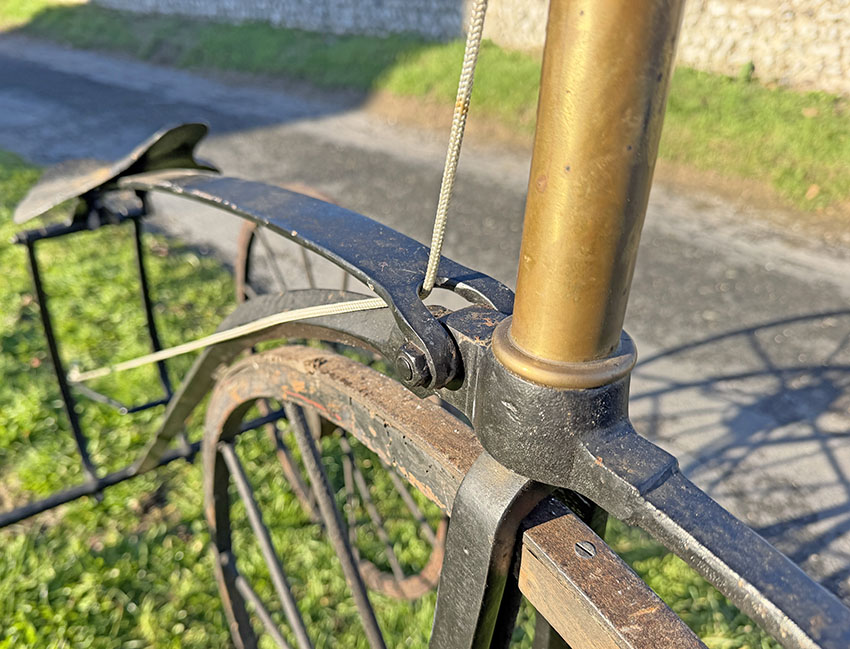
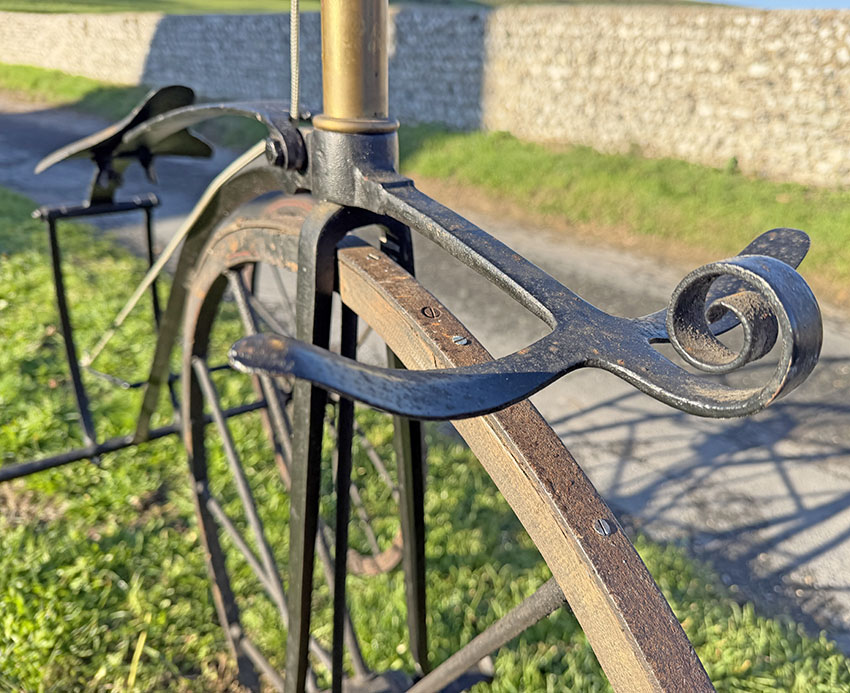
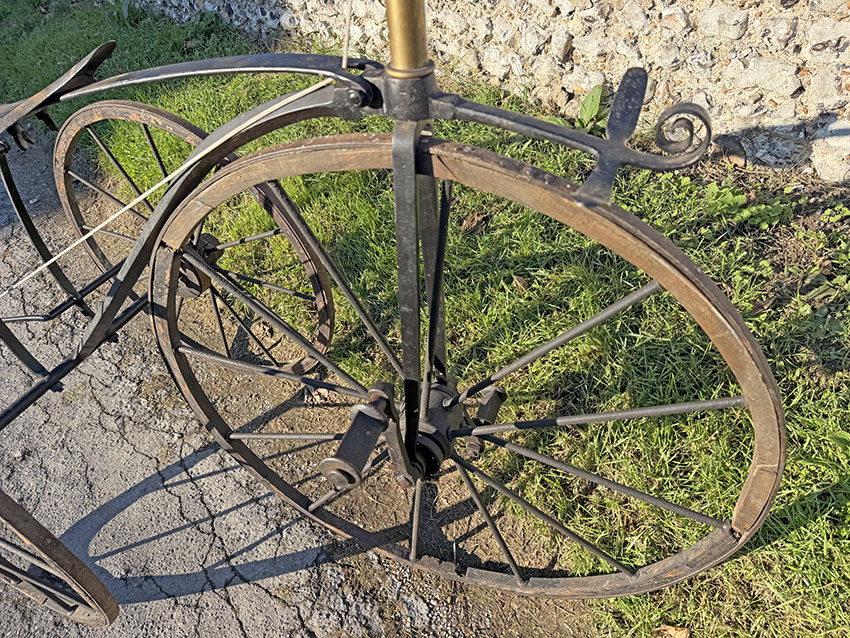
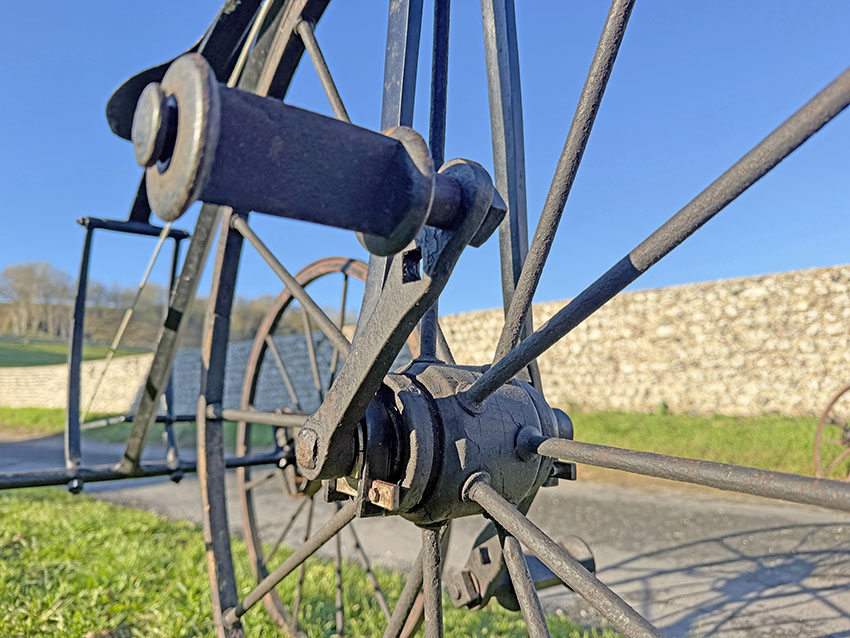
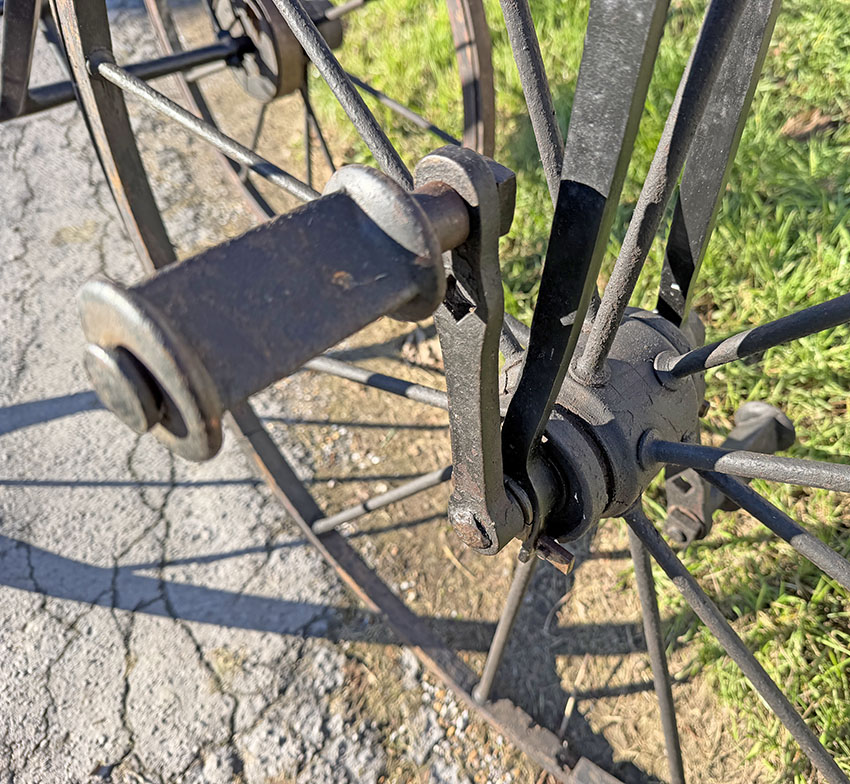
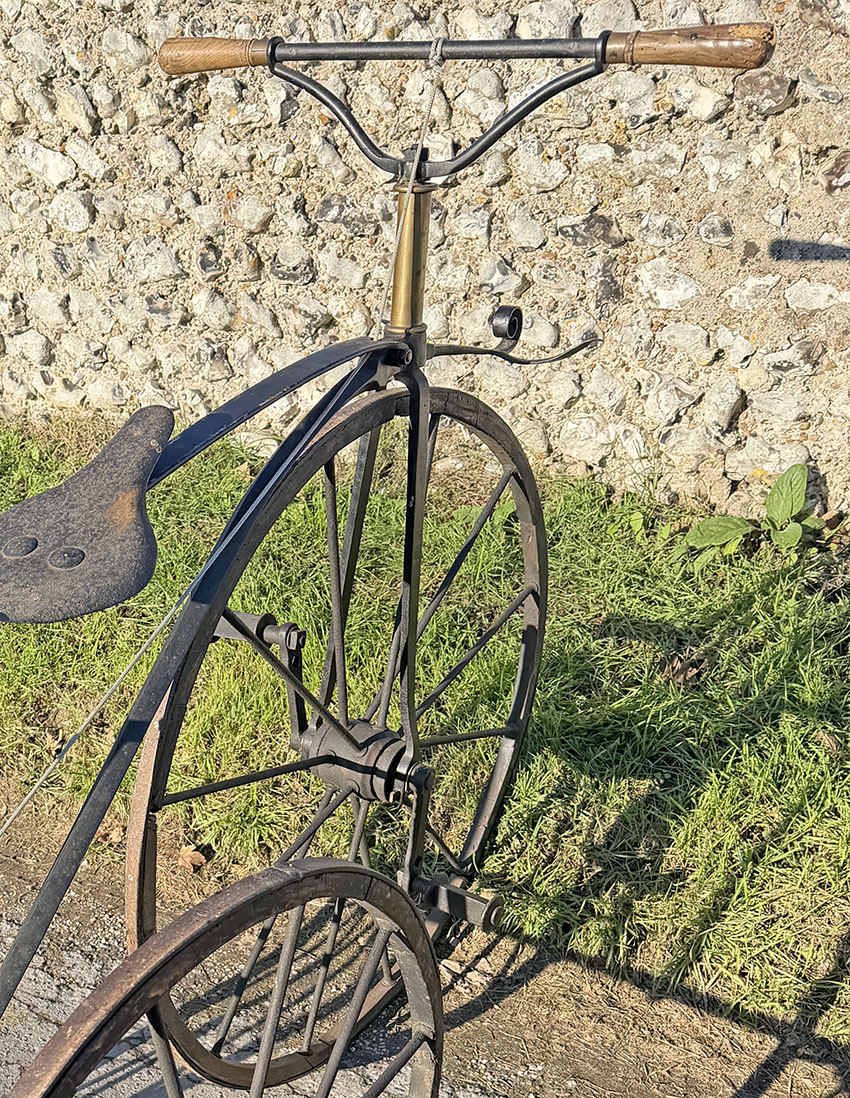
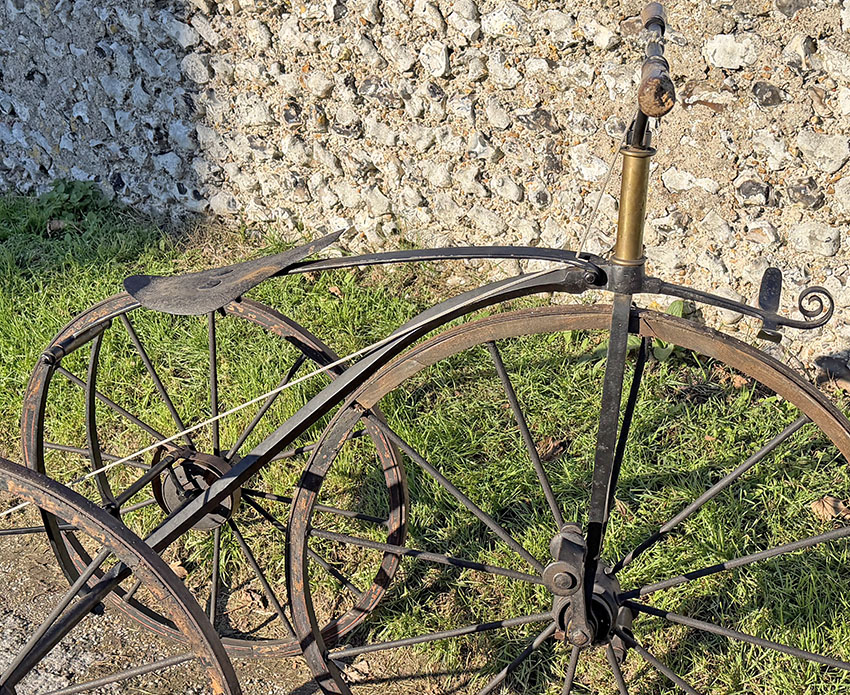
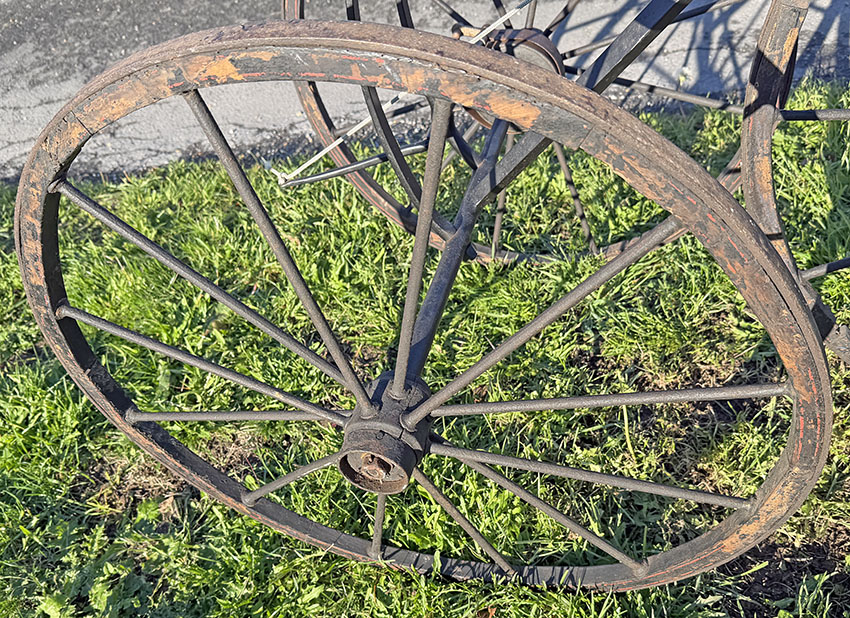
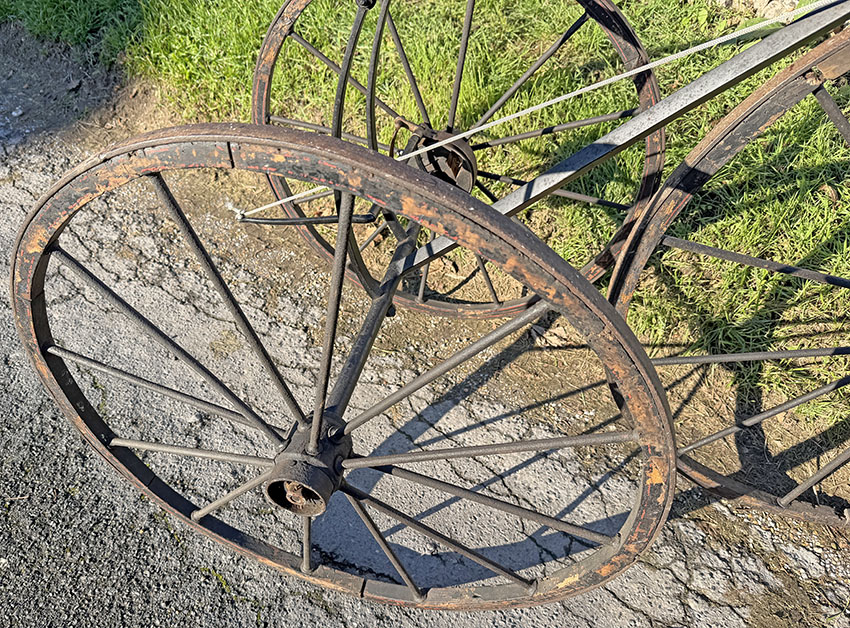
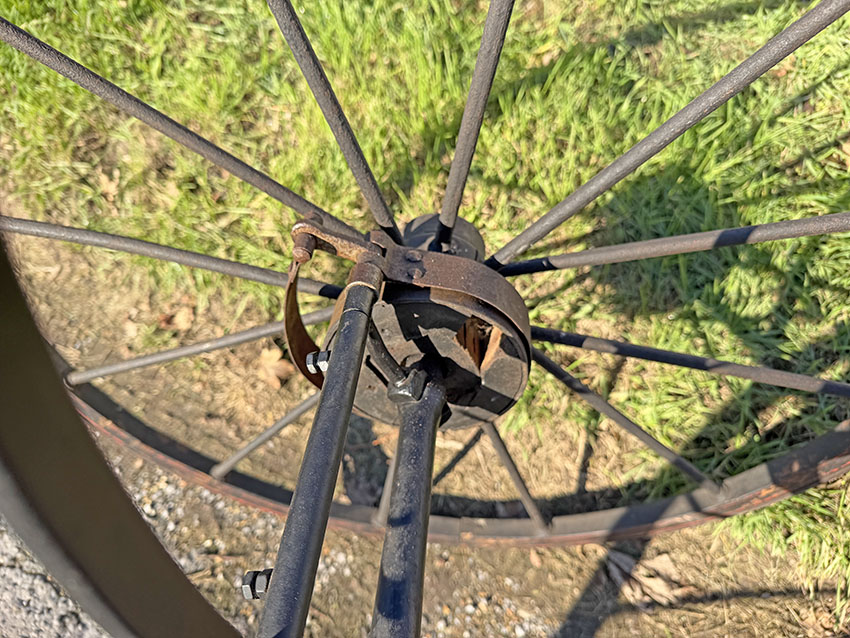
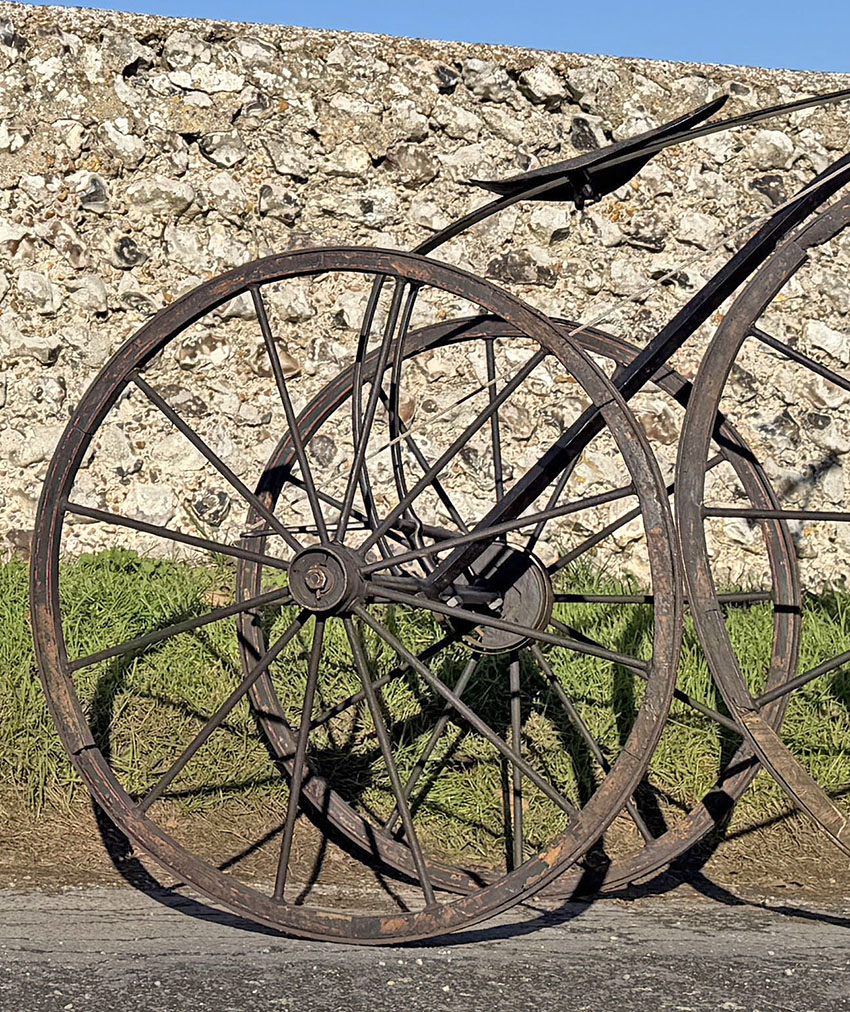
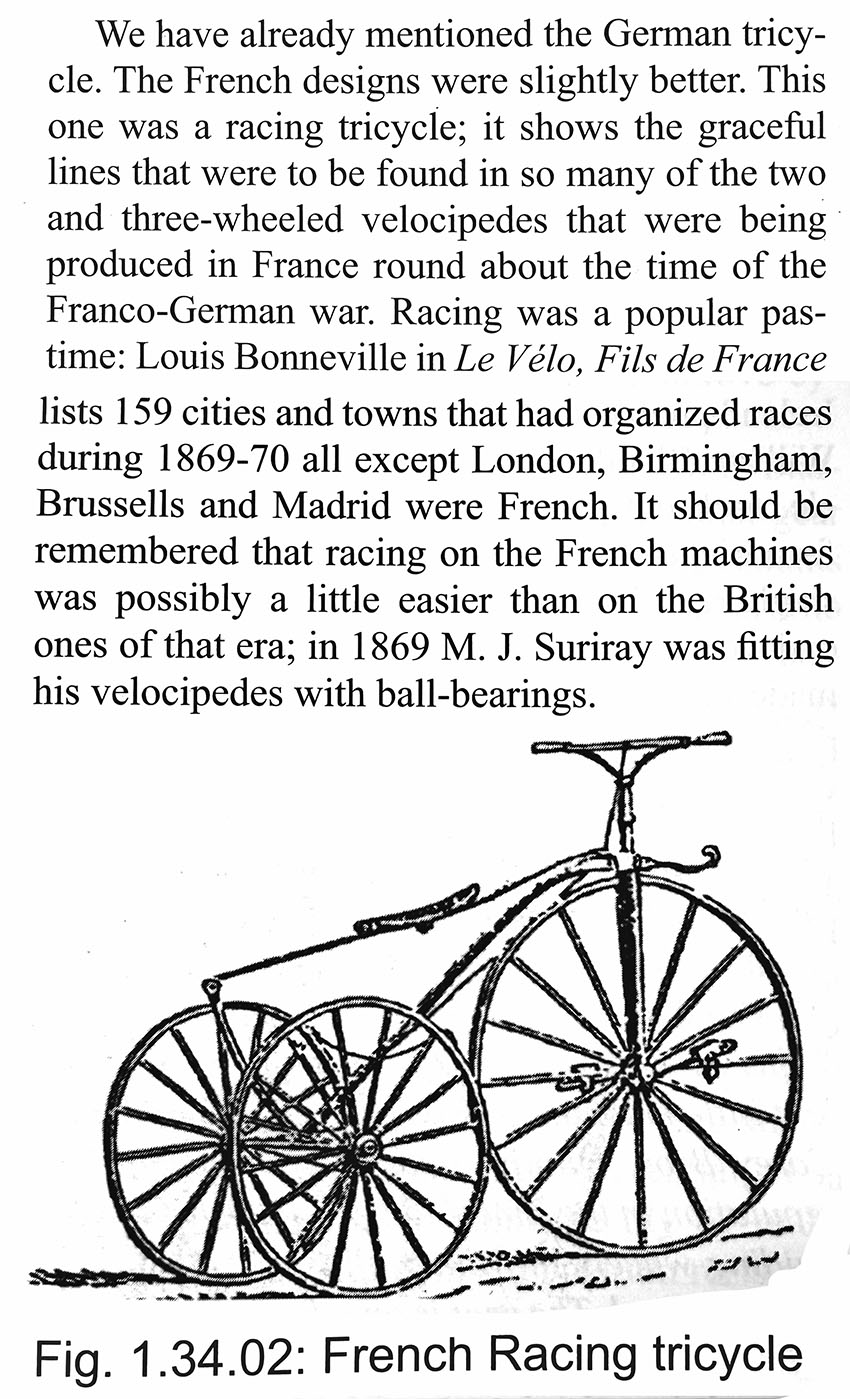
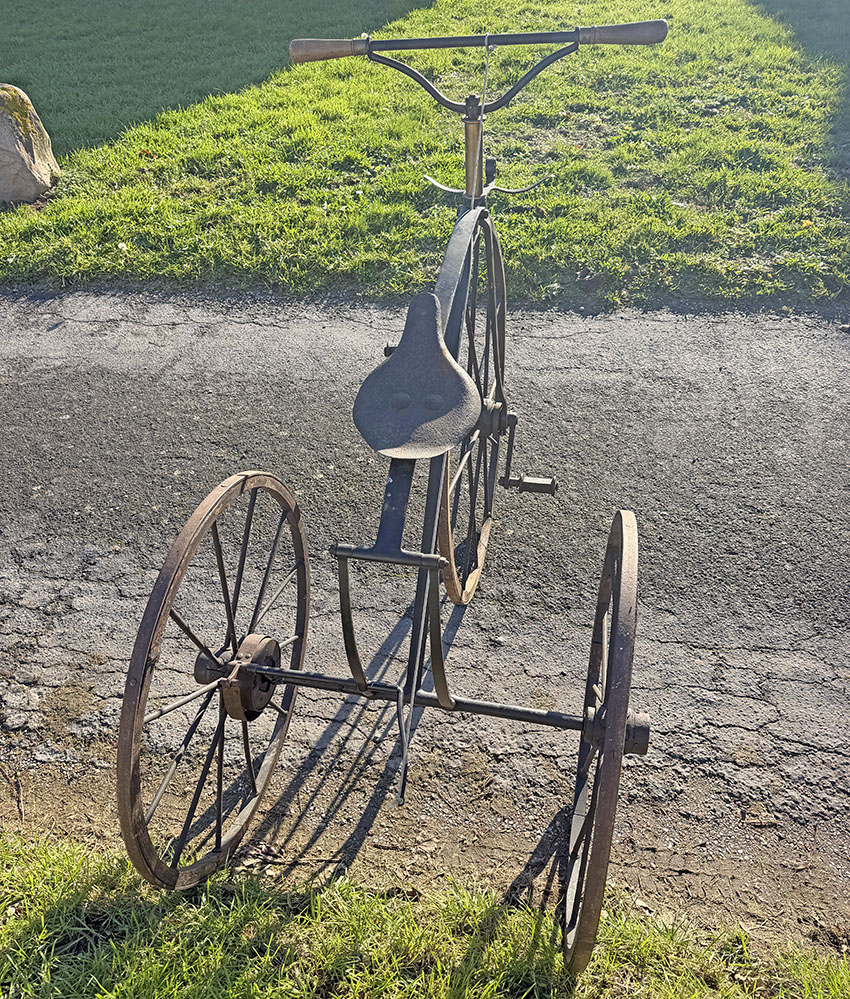
As you can read in the text of the 1870 ‘Velocipedes’ book at the top of the page: “The rear wheel is removed, and its place supplied by a pair of wheels, running free on an axle two feet long.” The high standard of workmanship to convert a solo velocipede to a tricycle version suggests that this job was done at the time. In addition it is fitted with a hub brake to one rear wheel. While English velocipedes were more functional, in France there were more cycle makers at this time and they had already started to improve the basic design by the time that the first velocipedes were imported to England. The origin of this tricycle is not known but to my eye it looks English rather than French.
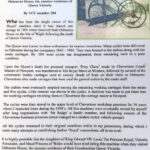
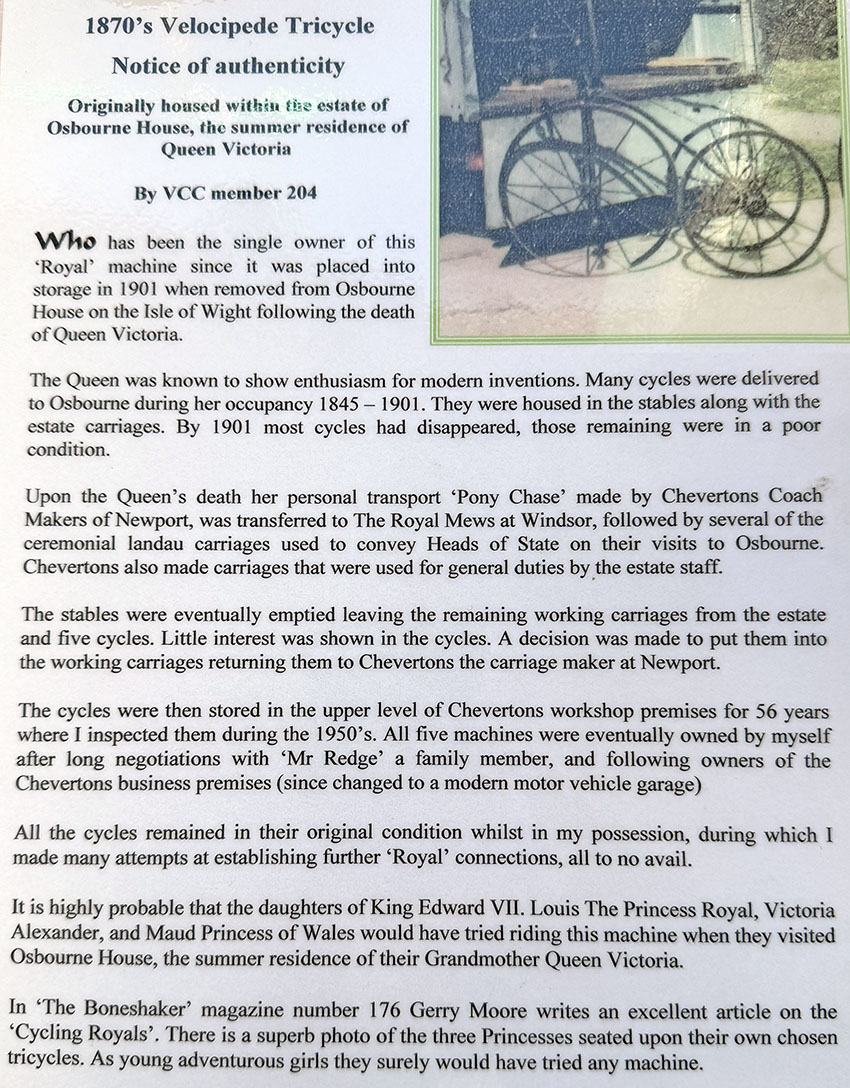
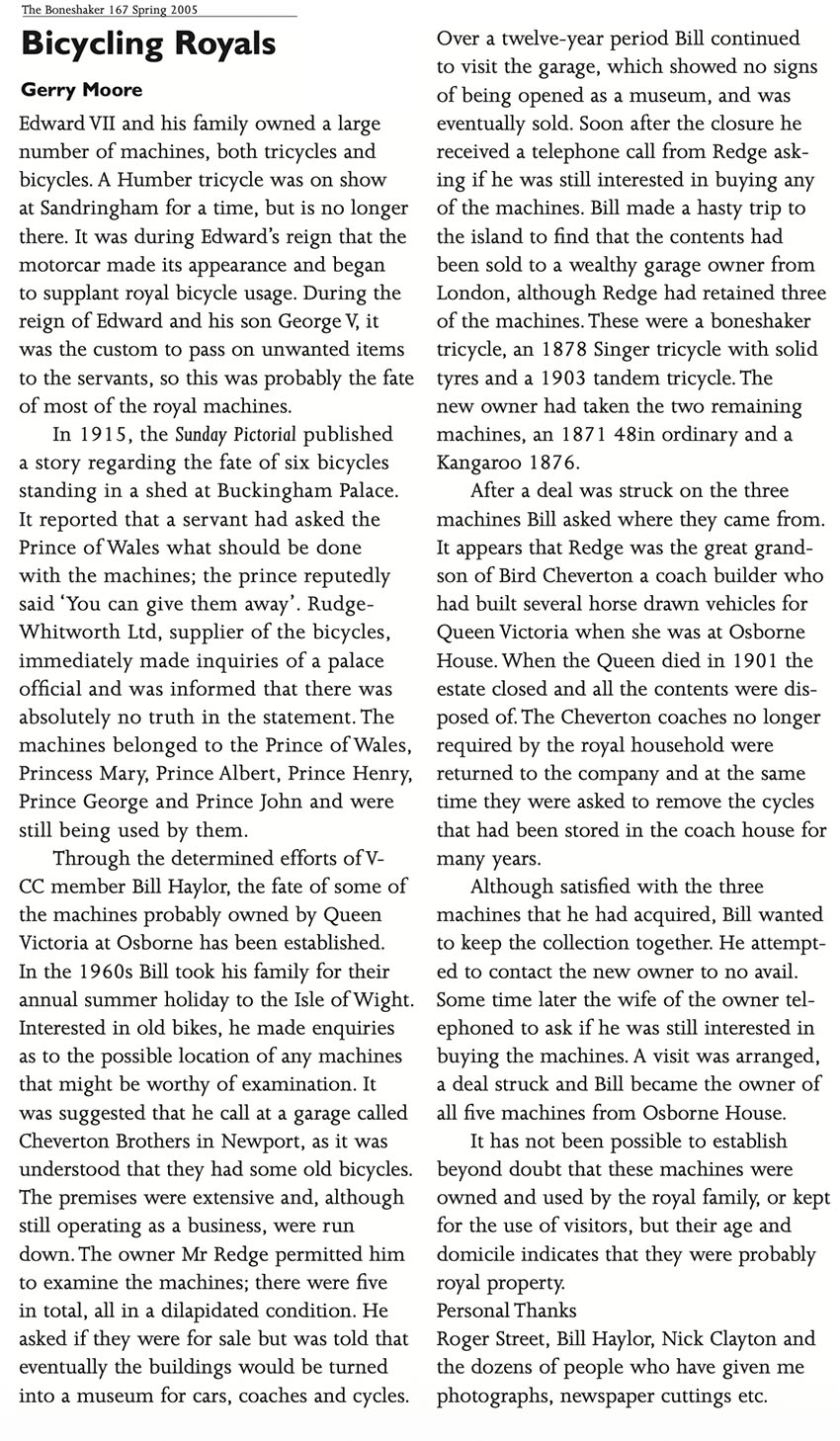
What we do know is that it has a Royal connection. It was part of a collection of bicycles and tricycles that came from Queen Victoria’s residence at Osborne House on the Isle of Wight, and purchased by Bill Haylor of Copthorne, East Sussex, in the 1970s.
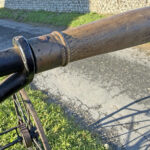
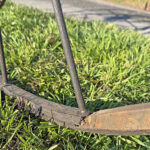
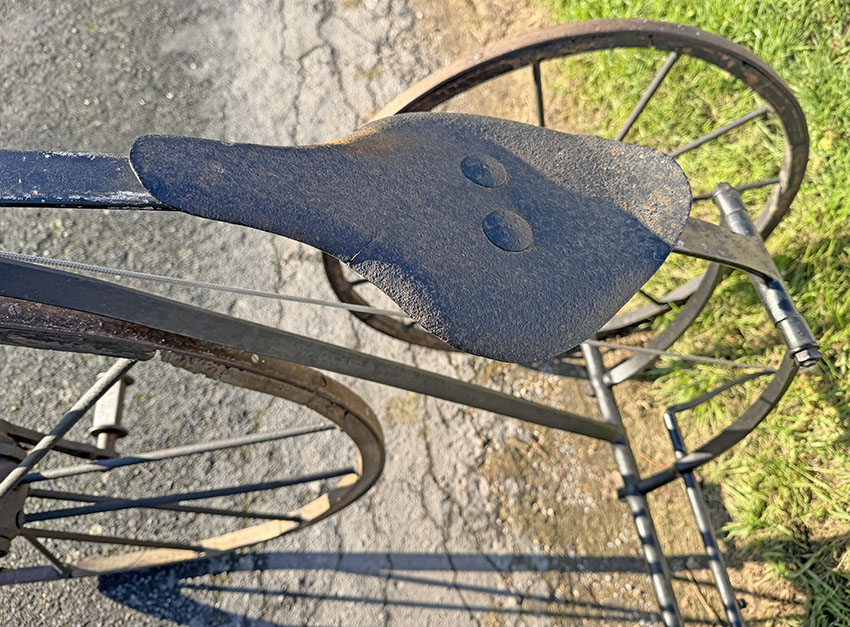
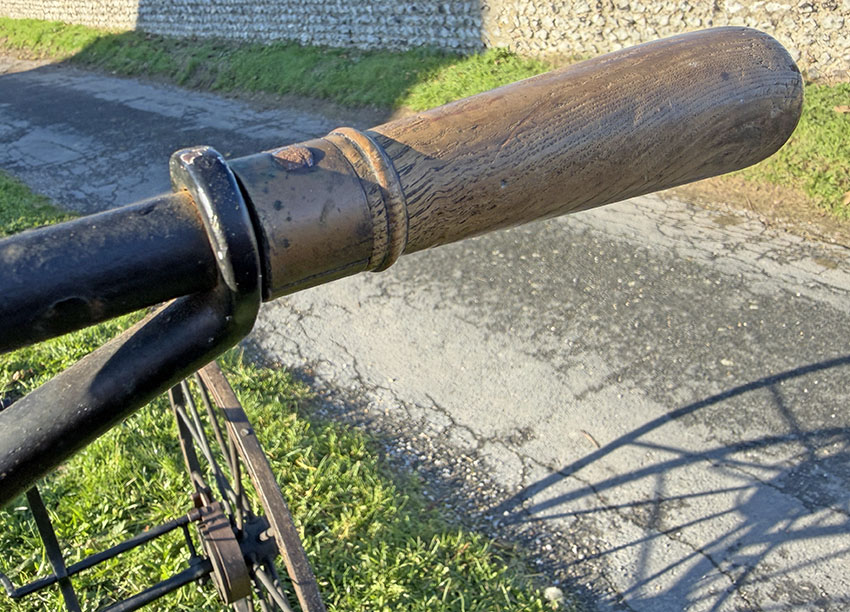
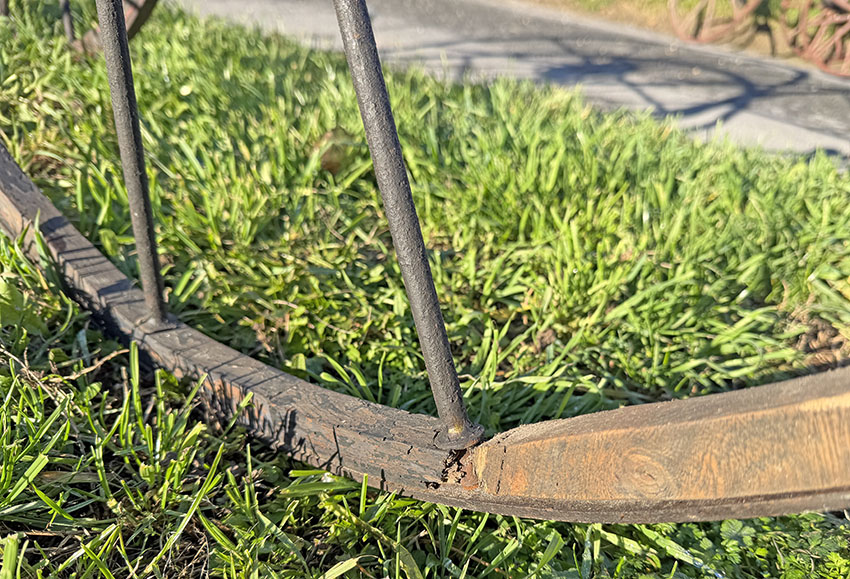
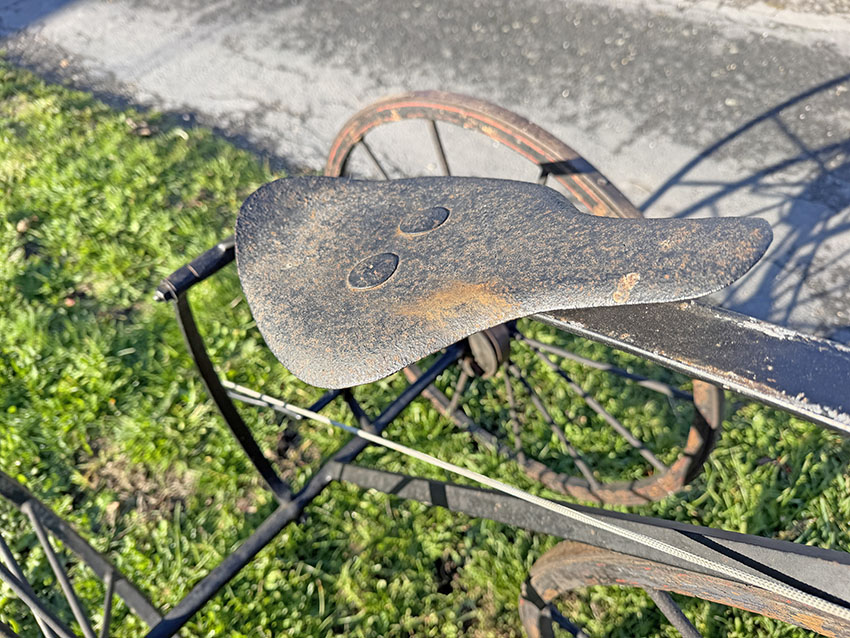
This historic tricycle is in functional original condition. Though you can see evidence of woodworm, it was treated and arrested. The wheels need servicing and repairing but it is rideable with care. With its connecftion to Queen Victoria’s estate and – to my mind, even more important – the earliest known use of a band brake on a bicycle – this unique machine would be a worthy addition to the collection of any serious vintage bicycle enthusiast.
View in the Online Bicycle Museum
BICYCLE COLLECTORS CURATED ONLINE AUCTION, Summer 2026
This Timed Auction is live. Highest bid wins.
NO BUYERS or SELLERS PREMIUM.
THE RESERVE IS THE START PRICE + BUY-IT-NOW OPTION.
INTERNATIONAL DELIVERY: NO PACKING FEES.
BIDDING INCREMENTS: Up to £1000 = £10. Over £1000 = £50. Over £2000 = £100
IT’S A CURATED AUCTION – Colin is the auctioneer and is available to chat to you personally during the auction (or before) by email, text message, phone call, Facebook Messenger or WhatsApp.